
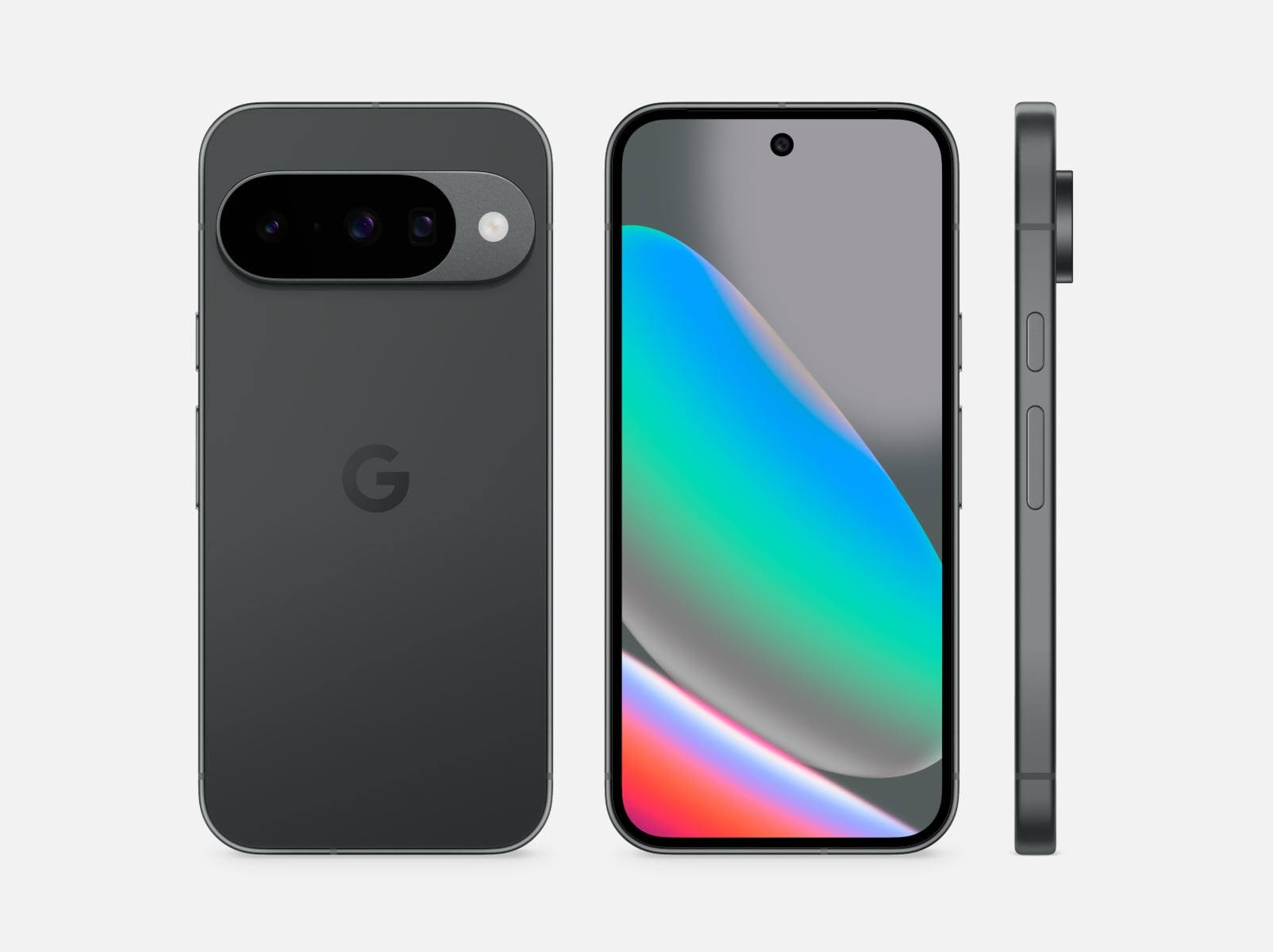
The standard Pixel 10 supports the Qi2 protocol at 15W, while the Pro XL pushes the boundary with a 25W Qi2.2 implementation. While these charging speeds are notable, the true improvement lies in the mechanical consistency of the magnetic ring. Since the Nexus 4 debuted wireless charging in 2012, Google users have relied on standard Qi pads, which require precise placement to maintain efficiency. Misalignment by even a few millimeters often causes charging speeds to plummet or the connection to fail entirely.
By adopting the magnetic standard, Google eliminates the guesswork that made previous wireless charging efforts frustrating. The shift ensures that coils lock into place instantly, mirroring the convenience Apple users have enjoyed since the introduction of MagSafe. Google is also launching its own line of magnetic accessories to capitalize on this hardware change, signaling that the company is finally prioritizing user experience over the limitations of legacy charging standards.
Comments (0)
No comments yet. Be the first!