
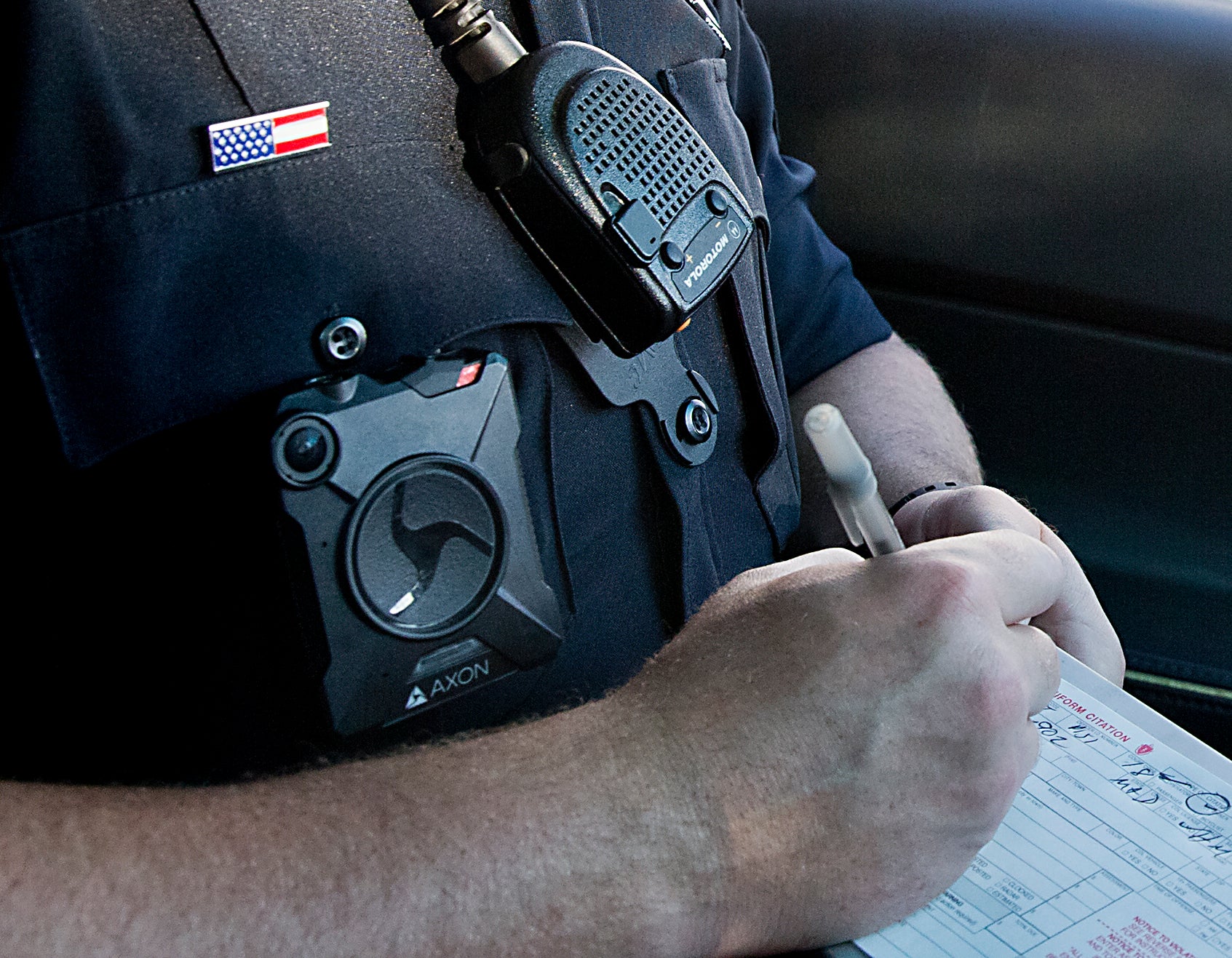
The International Association of Chiefs of Police conference showcased a sprawling array of surveillance technology, from chatbots fielding 911 calls to gunshot detection sensors. Industry representatives pitched these tools as simple clerical aids designed to eliminate busywork. By automating the drafting of police reports or the review of suspect histories, developers claim officers can reclaim time for community engagement.
However, the automation of these procedural steps carries significant weight in the legal process. Handing over sensitive data entry and case analysis to software risks detaching the justice system from human oversight. As departments integrate license plate readers and predictive surveillance, the fundamental exercise of discretion is increasingly being mediated by code rather than professional judgment.
Comments (0)
No comments yet. Be the first!