
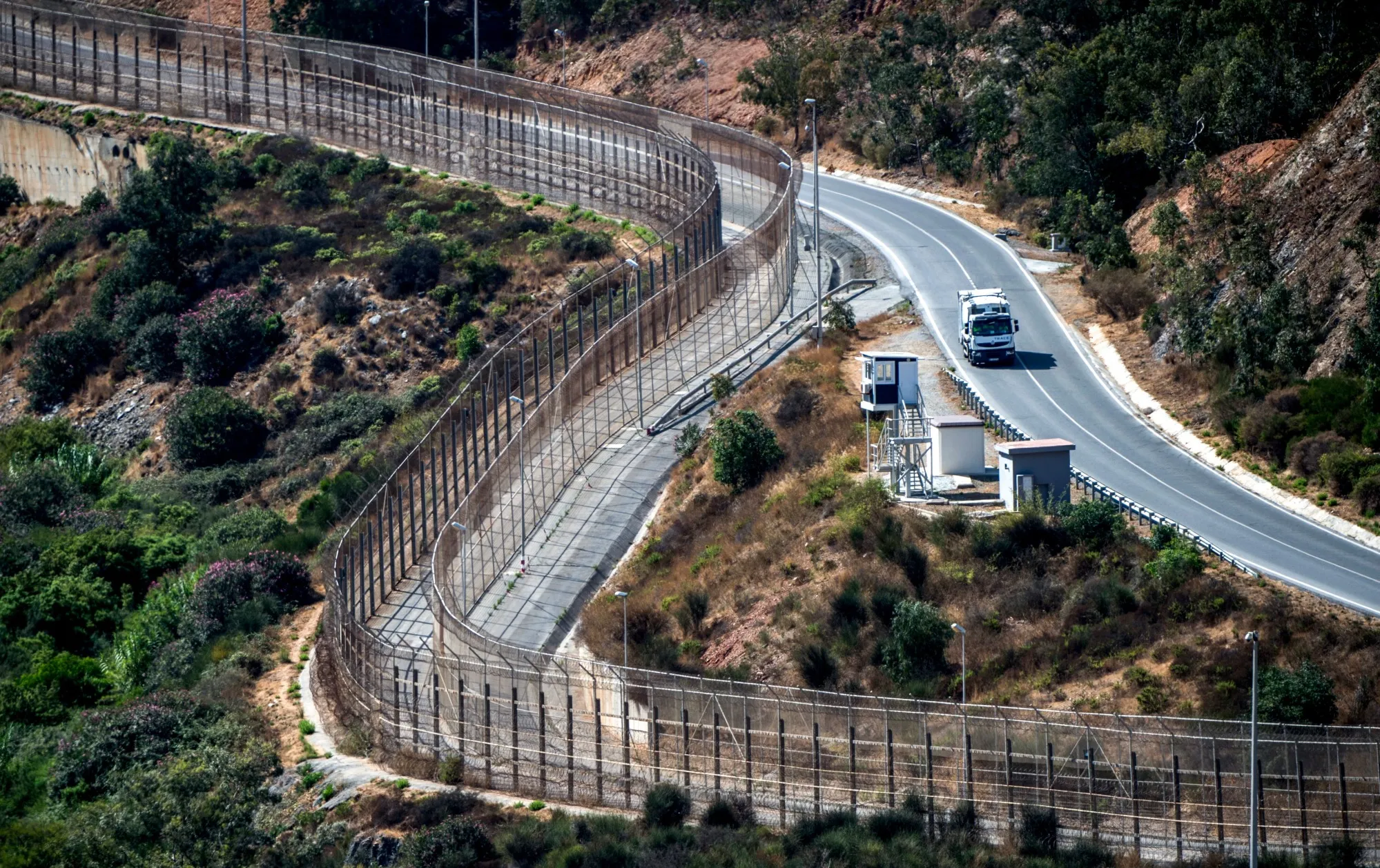
The sudden influx into the Spanish territory has left thousands sleeping on the streets, even after authorities reported that nearly 48,000 individuals had returned to Morocco. Migrants described being directed toward the border by Moroccan security forces, fueling speculation that the surge was a calculated attempt to pressure Madrid. Esteban Beltrán, director of Amnesty International Spain, urged both governments to prioritize human rights, reminding officials that collective expulsions and the violation of non-refoulement principles remain prohibited under international law.
While many migrants stated they were seeking employment, the political fallout has been severe. Conservative figures in Spain and US officials have linked the chaos to the government’s recent migration policies, though Prime Minister Pedro Sánchez maintains that human traffickers exploited a misunderstanding of a Supreme Court ruling. Analysts suggest the crisis may be tied to Spain’s shifting alliances, including its recent diplomatic outreach to Algeria and its vocal stance on Middle Eastern territorial disputes. Observers note that the incident has provided an opening for international actors to challenge Spain’s continued control of its North African enclaves, framing the humanitarian catastrophe as a vulnerability in the country’s strategic armor.
Comments (0)
No comments yet. Be the first!