
The current refund mechanism for the $166 billion collected under unlawful trade policies favors importers, allowing large firms to retain most of the capital. According to the Congressional Budget Office, consumers shouldered nearly 95% of the total tariff burden through increased costs on both imported and domestic goods. Yale’s Budget Lab estimates the average household still faces $1,100 in annual costs stemming from the regime, even after the Supreme Court intervened.
Corporate beneficiaries have been slow to share the windfall. Amazon reported receiving $600 million in the second quarter, with finance chief Brian Olsavsky citing limited circumstances to justify direct consumer relief. Meanwhile, Apple saw its gross margins bolstered by roughly $2.2 billion in refunds, yet the company recently raised prices across its product line. Other major corporations, including Ford, Nike, and Walmart, remain similarly reticent regarding plans to pass savings to the public.
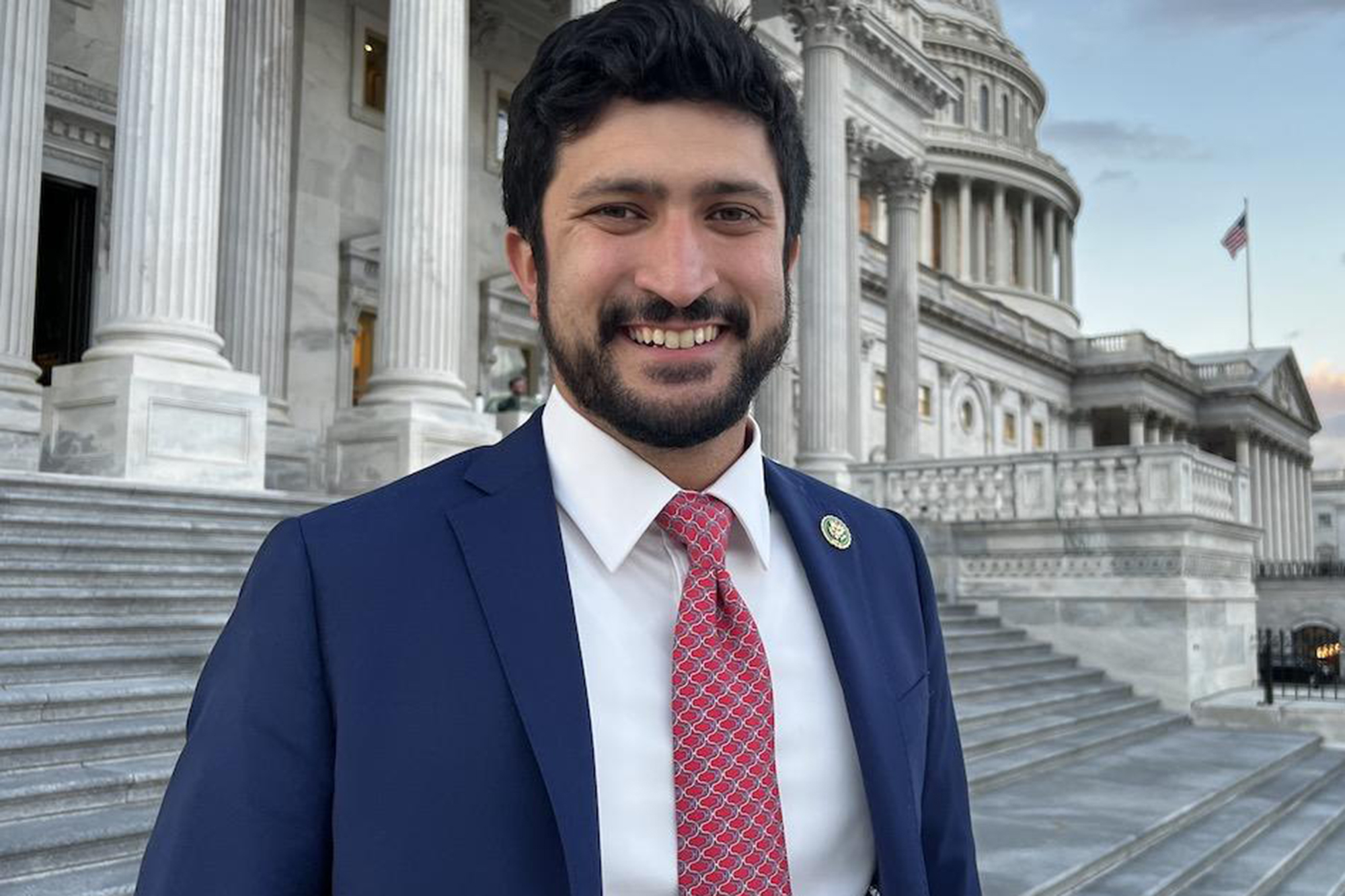
Legislative efforts to force a redistribution of these funds have stalled in Congress. Proposed bills, such as those from Representatives Rosa DeLauro and Mike Thompson, would mandate price reductions or tax credits for consumers, but none have cleared committee hurdles. Representative Mark Pocan characterized the current flow of money as a direct transfer of wealth from everyday Americans to mega-corporations.
Comments (0)
No comments yet. Be the first!