
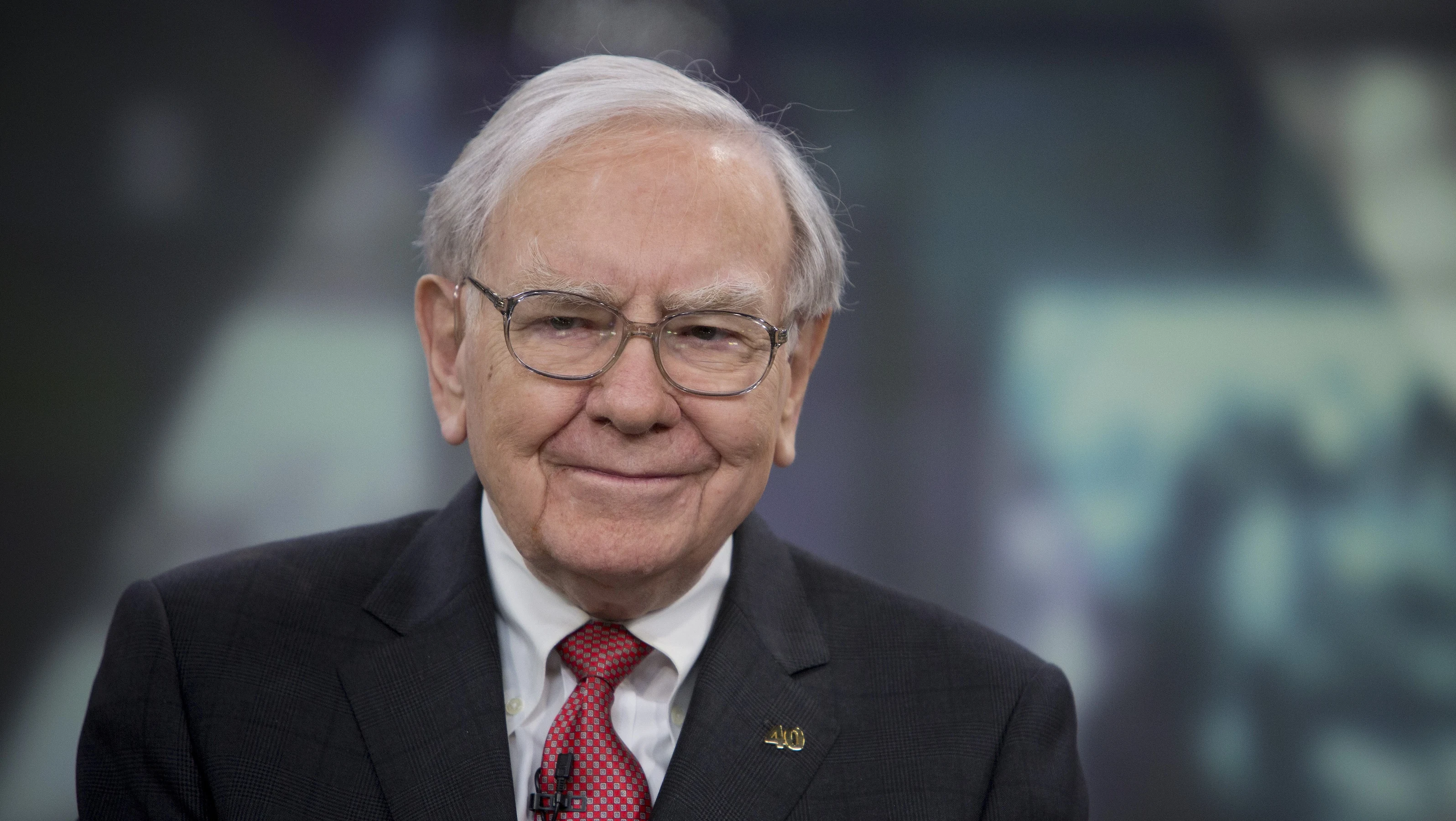
The speed of Aschenbrenner’s rise was matched only by the abruptness of his firm’s downfall. After notching a 1,000% gain since its spring inception, the fund relied on four-to-one leverage, borrowing $4 for every $5 invested. When AI stocks faltered, that aggressive strategy backfired, leaving no room for error. Industry veterans point to this as a classic case of hubris, where excessive borrowing turned a temporary market dip into a total liquidity crisis.
Ross Gerber, CEO of Gerber Kawasaki, views the incident as a fundamental failure in risk management. While Aschenbrenner chased rapid growth, the Buffett approach prioritizes the preservation of capital above all else. Michael Burry, the investor famously associated with "The Big Short," went further, characterizing the situation as a byproduct of a generation chasing momentum while ignoring the inherent dangers of debt.
Larry Cunningham, author of "The Essays of Warren Buffett," notes that the danger lies in the illusion of brilliance. Leverage can make an investor look like a genius during a bull market, but it leaves no margin for being wrong. For Buffett, who maintained massive cash reserves and avoided speculative debt, the primary job of an investor is to act as a chief risk officer. As the industry parses the wreckage of Situational Awareness, the core lesson remains: long-term survival requires discipline that often feels counterintuitive during the heat of a market frenzy.
Comments (0)
No comments yet. Be the first!