
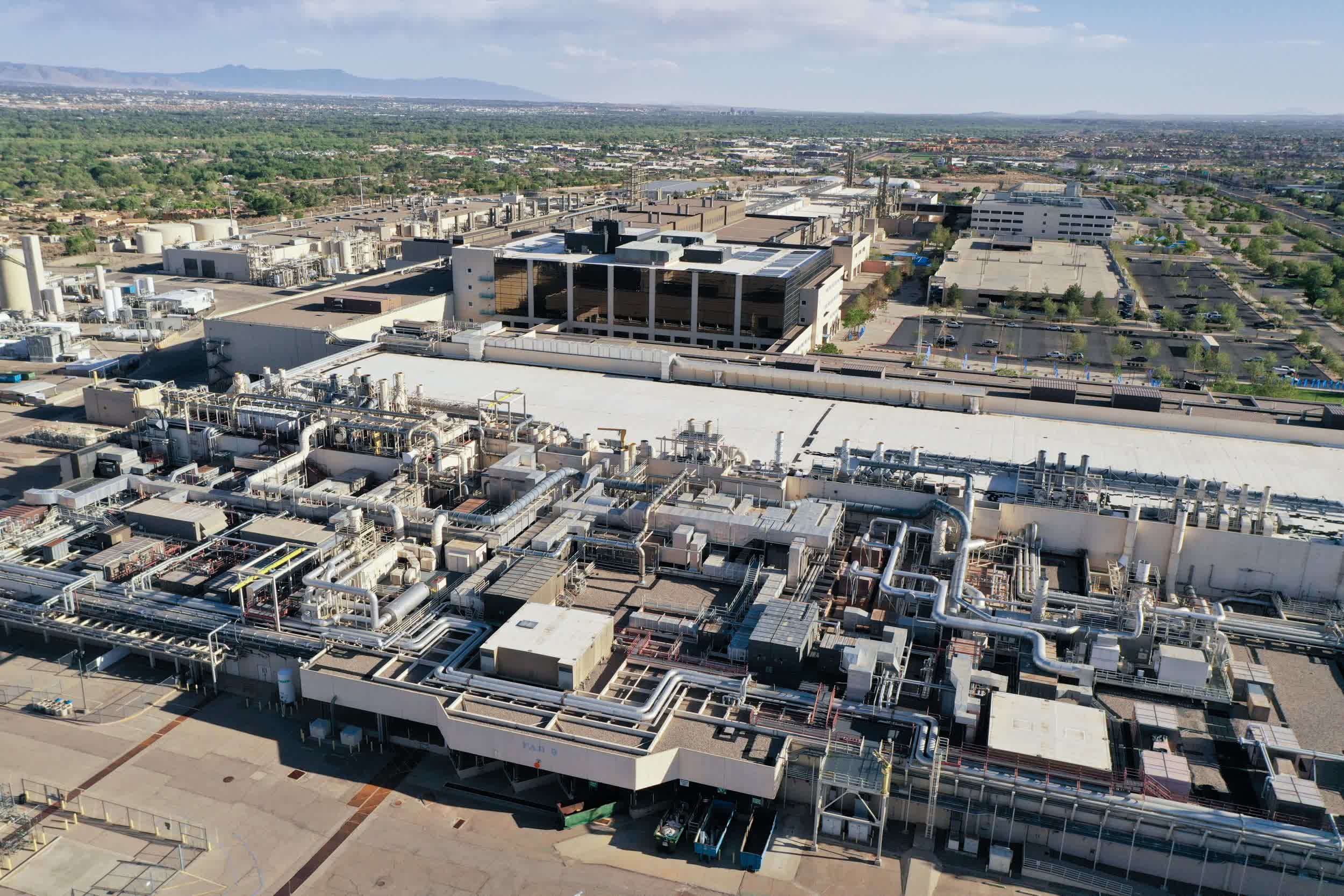
The partnership eases mounting pressure on Musk, who has publicly questioned whether the current semiconductor industry possesses the capacity to meet his aggressive hardware requirements. While Musk has mastered the production of electric vehicles and orbital rockets, the intricacies of silicon fabrication have remained a significant barrier to his goal of deploying autonomous humanoid robots and data centers in space. Intel, despite facing its own internal financial headwinds, is leveraging its existing infrastructure and design expertise to fulfill this demand.
Intel intends to utilize its capability to design, fabricate, and package ultra-high-performance chips to help Terafab reach an ambitious production target of 1 TW of compute power annually. This move aligns with Intel's broader strategy to expand its domestic presence, including its ongoing $20 billion investment in two fabrication plants currently under construction in Arizona. For Musk, the deal provides a path toward securing the hardware necessary for his vision of a robot-driven future without shouldering the full burden of manufacturing complexity alone.
Comments (0)
No comments yet. Be the first!