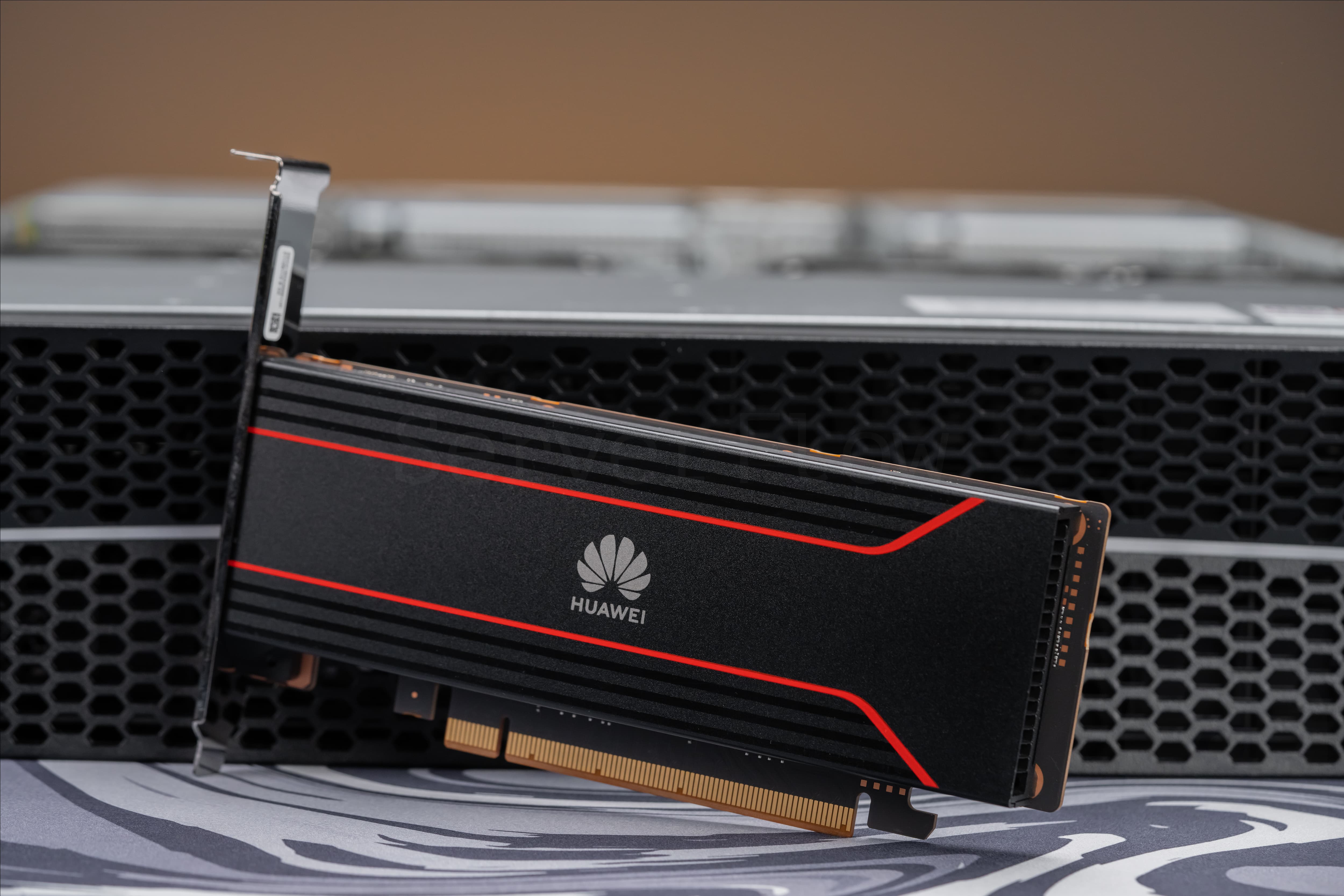
The company’s strategy centers on the Peerium Computing Architecture, a framework designed to unify massive arrays of processors, memory, and storage into a single cohesive system. Huawei claims this infrastructure will power its Atlas 950 SuperCluster, a system capable of connecting up to 256,000 accelerator cards. While the company touts these advancements as a leap in performance, industry observers note discrepancies in scale. Tech analyst Rui Ma pointed out that recent announcements describe a SuperPoD system utilizing 4,096 chips, significantly smaller than the 15,488-chip configuration previously discussed by the firm.
This hardware push unfolds against a backdrop of escalating geopolitical tension, with a meeting between President Trump and President Xi Jinping scheduled for September 24. Despite ongoing U.S. export restrictions on advanced semiconductor technology, Huawei remains committed to achieving domestic self-sufficiency. Rotating chairman Eric Xu argued that China must accelerate its AI development to bridge the gap with American capabilities, maintaining that local firms must reach a higher level of maturity before they can effectively manage the risks associated with increasingly powerful AI systems.
Comments (0)
No comments yet. Be the first!