
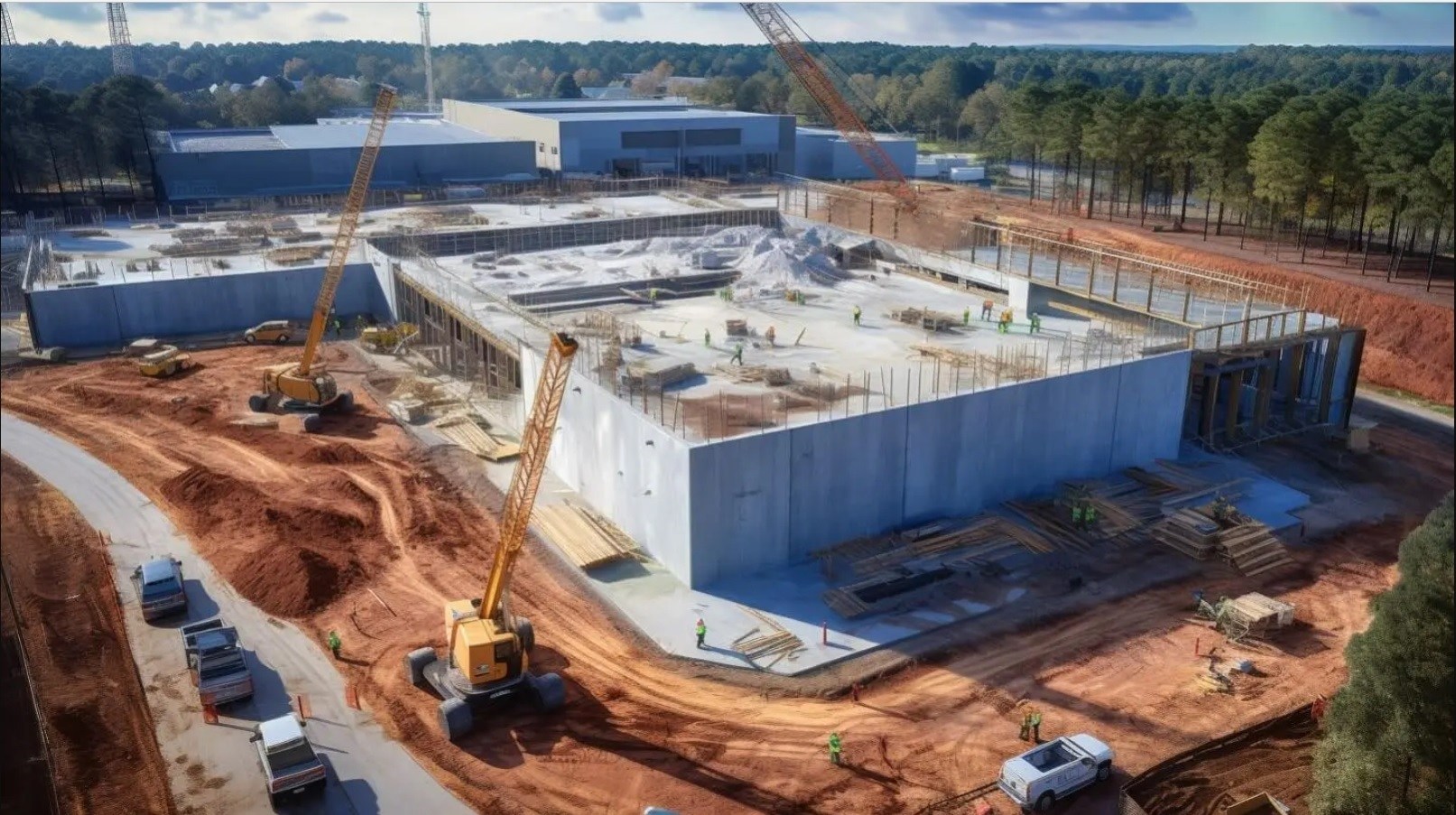
The report from the nonprofit Data & Society, based on 18 months of fieldwork in Pennsylvania, reveals that the industry's narrative of 'inevitable' progress is failing to resonate. Researchers interviewed 44 residents who possess a deep historical awareness of industrial cycles—from coal mining to fracking—and are wary of utopian schemes that offer few long-term jobs. This skepticism has transformed local town hall meetings into battlegrounds where residents confront developers over rising utility costs, property values, and the use of non-disclosure agreements in public planning.
Opposition to these facilities has become post-partisan, uniting environmentalists, technology critics, and local residents who feel excluded from decision-making. While trade unions remain a key source of support due to construction job prospects, the broader public remains unconvinced. The industry’s attempts to frame this resistance as foreign meddling have largely fallen flat, as researchers found that the backlash is driven by tangible concerns about local autonomy and the erosion of trust in public officials. For AI companies, the challenge is not merely technical, but social: they are attempting to insert massive industrial infrastructure into the daily lives of people who feel increasingly extracted upon by the technologies they are asked to host.
Comments (0)
No comments yet. Be the first!