
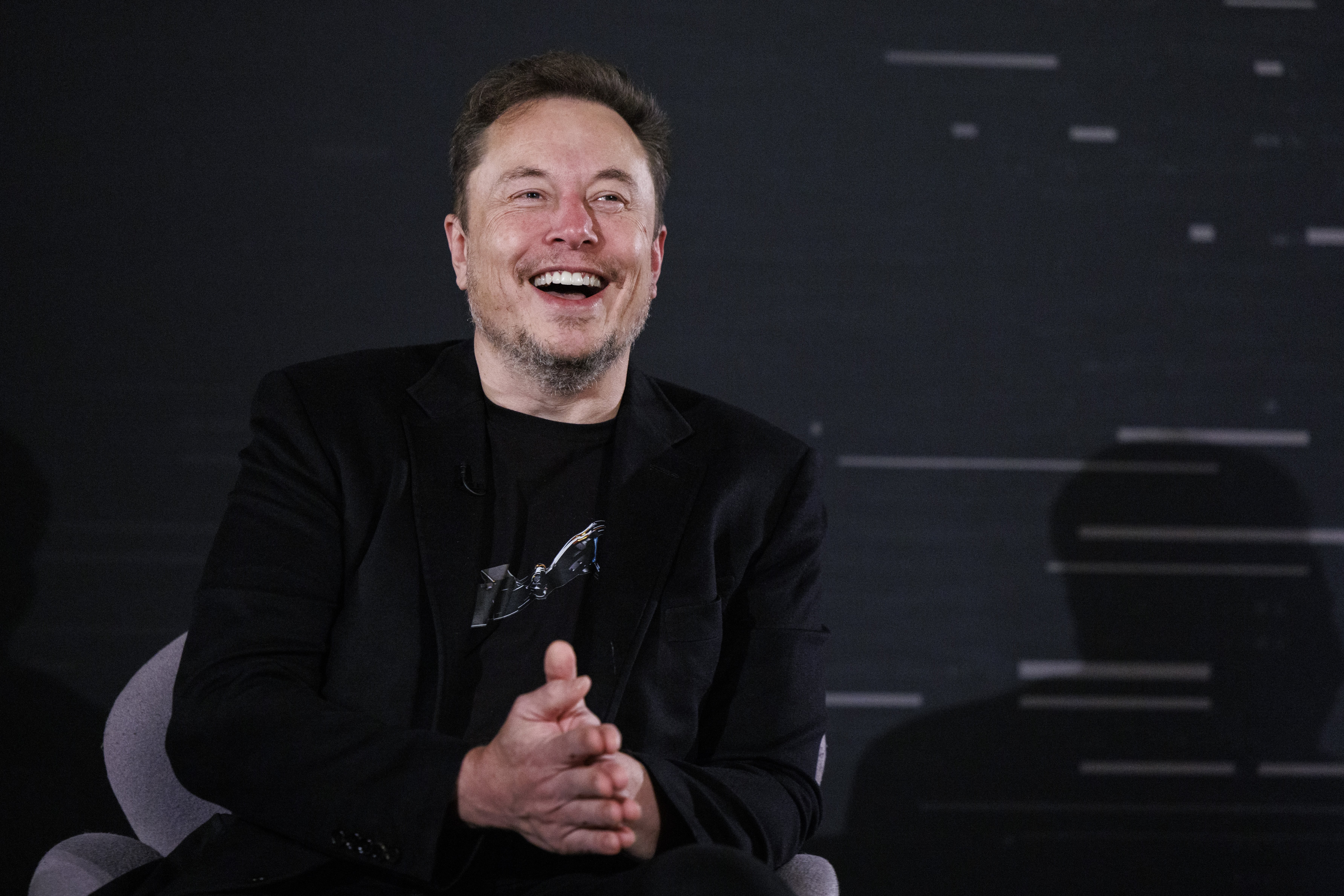
While Republican operatives have expressed concerns that Musk’s public involvement could backfire, Democrats remain largely quiet. Princeton historian Kevin Kruse ignited the debate this week, labeling the party’s hesitation an unforced error. He argued that Musk is a ripe, vulnerable target whose influence should be leveraged to mobilize voters and clarify key ideological divides. Journalist Julian Sanchez echoed this sentiment, noting that Musk’s public approval ratings are currently as low as those of Donald Trump, making him an ideal foil for Democratic messaging.
Critics point to the aggressive digital strategy employed by Musk’s super PAC, which has focused heavily on inflammatory rhetoric regarding transgender rights. Observers like Daily Kos reporter Oliver Willis suggest that the refusal to confront this spending head-on signals a deeper issue with the party’s competitive resolve. According to this view, by allowing a high-profile billionaire to dominate the financial landscape of the opposition without a coordinated counter-narrative, Democrats are missing a clear opportunity to define the stakes of the upcoming election cycle.
Comments (0)
No comments yet. Be the first!