
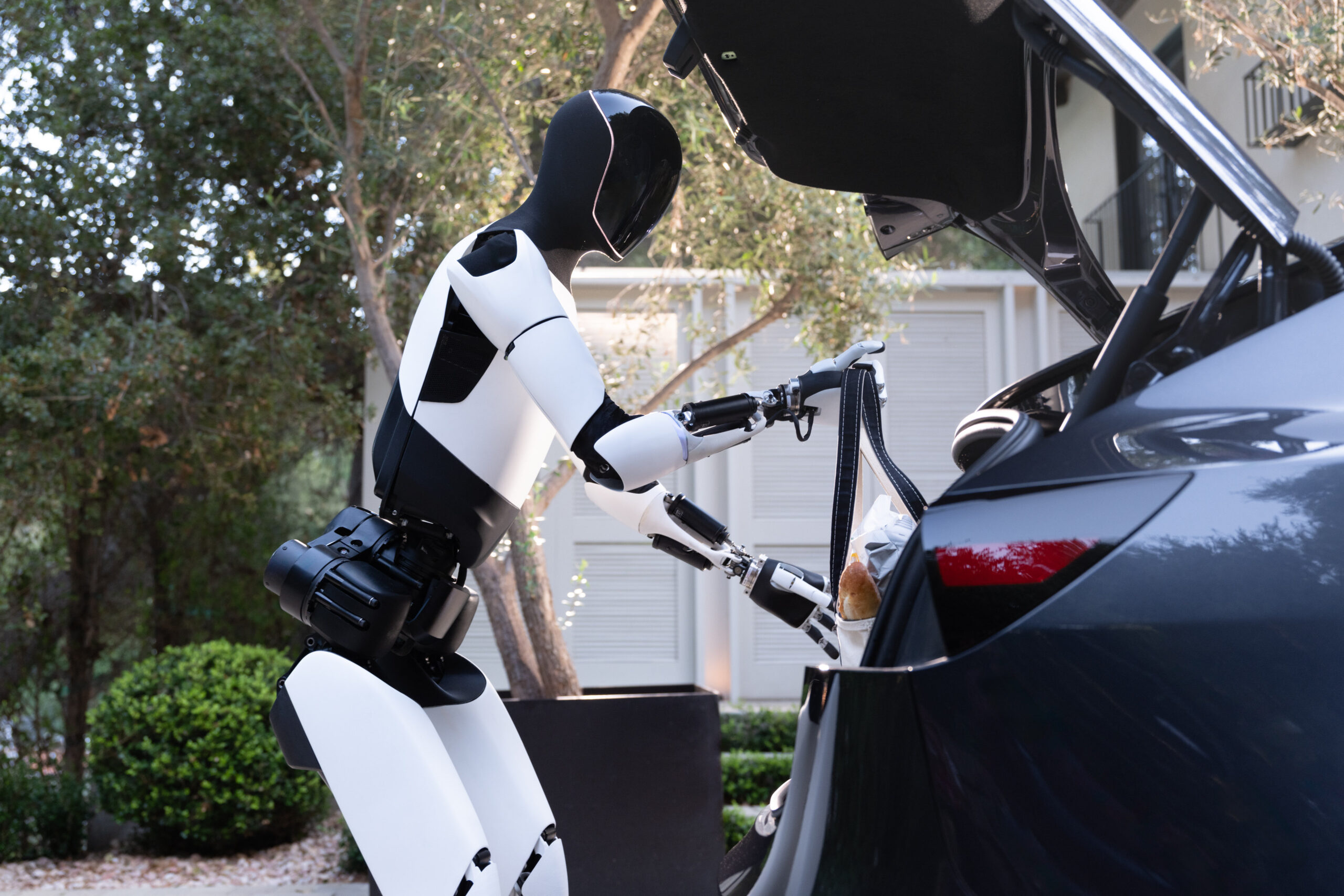
The core manufacturing challenge stems from the physical complexity of the V3 units. Unlike automotive components, the robot’s hands and forearms require the installation of over 100 screws and micro-components, a task that currently demands intensive manual labor. Engineers are struggling with alignment issues, as the specialized parts require a level of precision that existing automated systems cannot yet replicate. While the latest models are lighter and feature more cameras, they still lack a pending sensing glove upgrade designed to streamline hardware maintenance.
Elon Musk has long positioned Optimus as Tesla’s most significant product, yet the robots remain confined to controlled internal testing environments. Rather than a general market launch, the company now intends to lease the units to collect training data. This shift in strategy follows a broader industry trend where competitors are moving toward simpler, less lifelike designs to improve reliability. With Chinese regulators beginning to scrutinize the sector, Tesla faces mounting pressure to move the technology from a labor-intensive prototype phase to a viable, scalable commercial product.
Comments (0)
No comments yet. Be the first!