
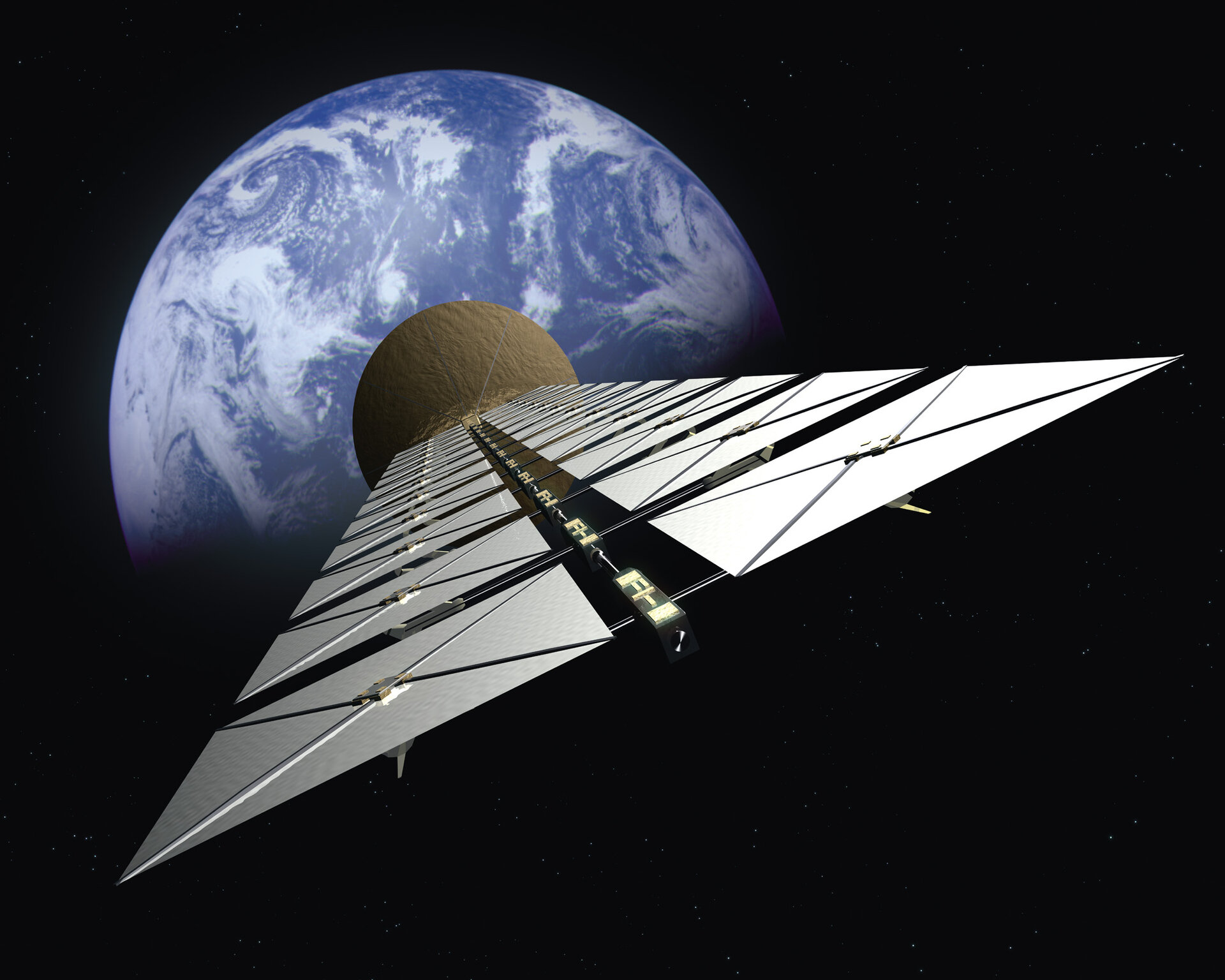
The company’s research suggests that solar panels in space could operate with eight times the efficiency of those on Earth, providing a near-continuous power stream. To achieve this, Google plans to deploy constellations of satellites flying in close, tight formations to maintain the high-speed data links necessary for competitive compute performance. Senior director Travis Beals emphasized that space may eventually become the optimal environment for scaling AI, though the technical hurdles remain significant.
Operating in orbit requires solving critical challenges, including protecting hardware from intense space radiation and managing the risks of orbital congestion. Google has already tested its Trillium TPUs for radiation tolerance, reporting they can survive a five-year mission life without failure. Looking ahead, the company intends to partner with Planet to launch two prototype satellites by 2027. While current launch costs are prohibitive, Google’s internal analysis projects that space-based energy expenses could reach parity with terrestrial data centers by the mid-2030s.
Comments (0)
No comments yet. Be the first!