
The primary barrier to 3D success has always been the compromise. Polarized theater glasses effectively cut brightness and resolution in half by splitting reflected light, while active shutter technology introduced distracting flicker and refresh rate issues. These limitations turned what should have been a premium spectacle into an awkward, dim experience that alienated audiences and relegated the format to a short-lived tech trend.
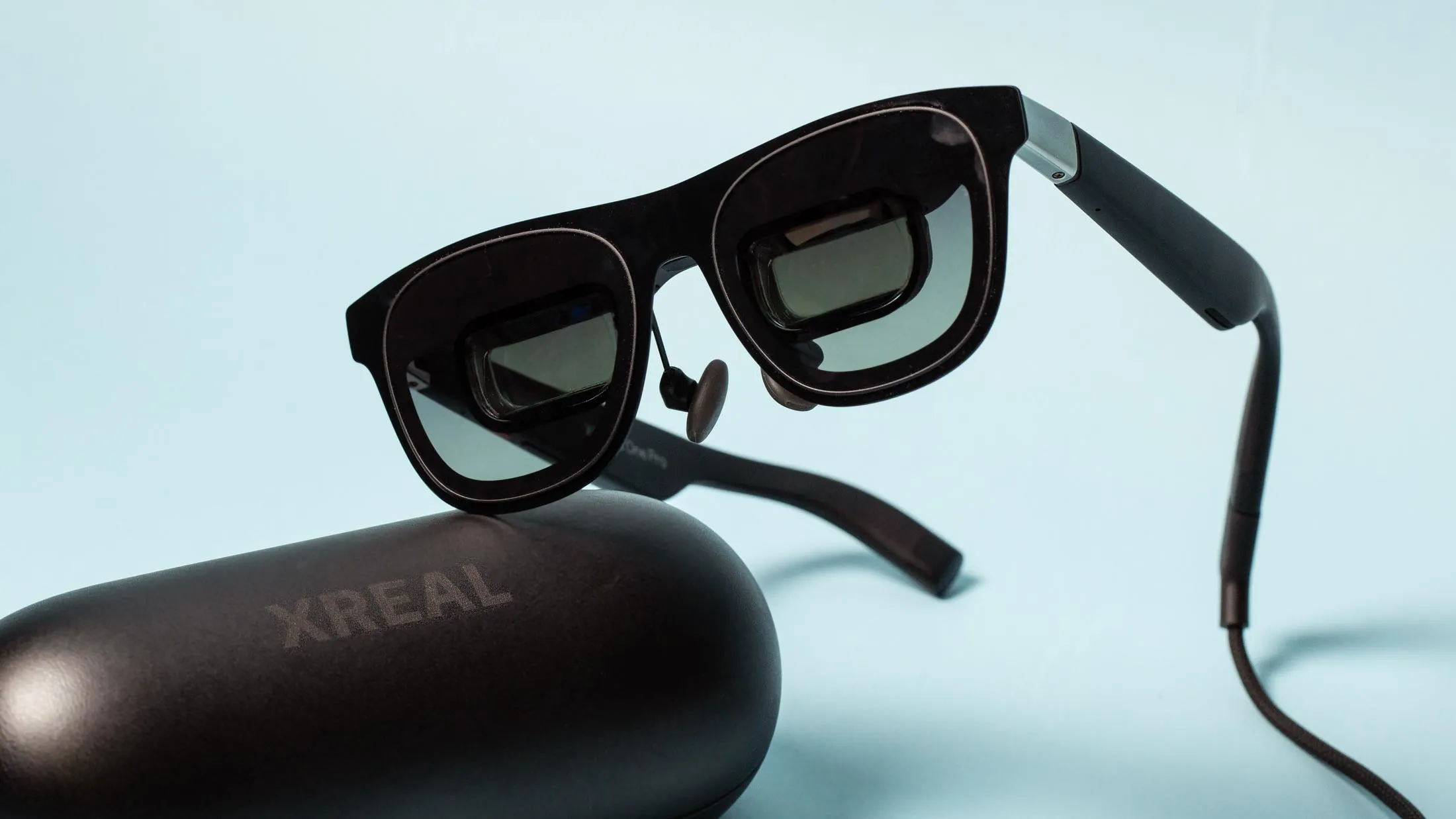
Recent advancements in wearable displays shift this dynamic by providing a dedicated, full-resolution screen for each eye. Devices like the Xreal Air 2 Pro have moved beyond simple flat-screen projection. By utilizing side-by-side (SBS) 3D content, users can trigger independent left and right views, bypassing the optical bottlenecks of legacy hardware. This shift is supported by a broader ecosystem of standalone VR headsets—including the Meta Quest and Apple Vision Pro—which offer the necessary processing power to handle high-definition stereoscopic video without the traditional hardware trade-offs.
Comments (0)
No comments yet. Be the first!