
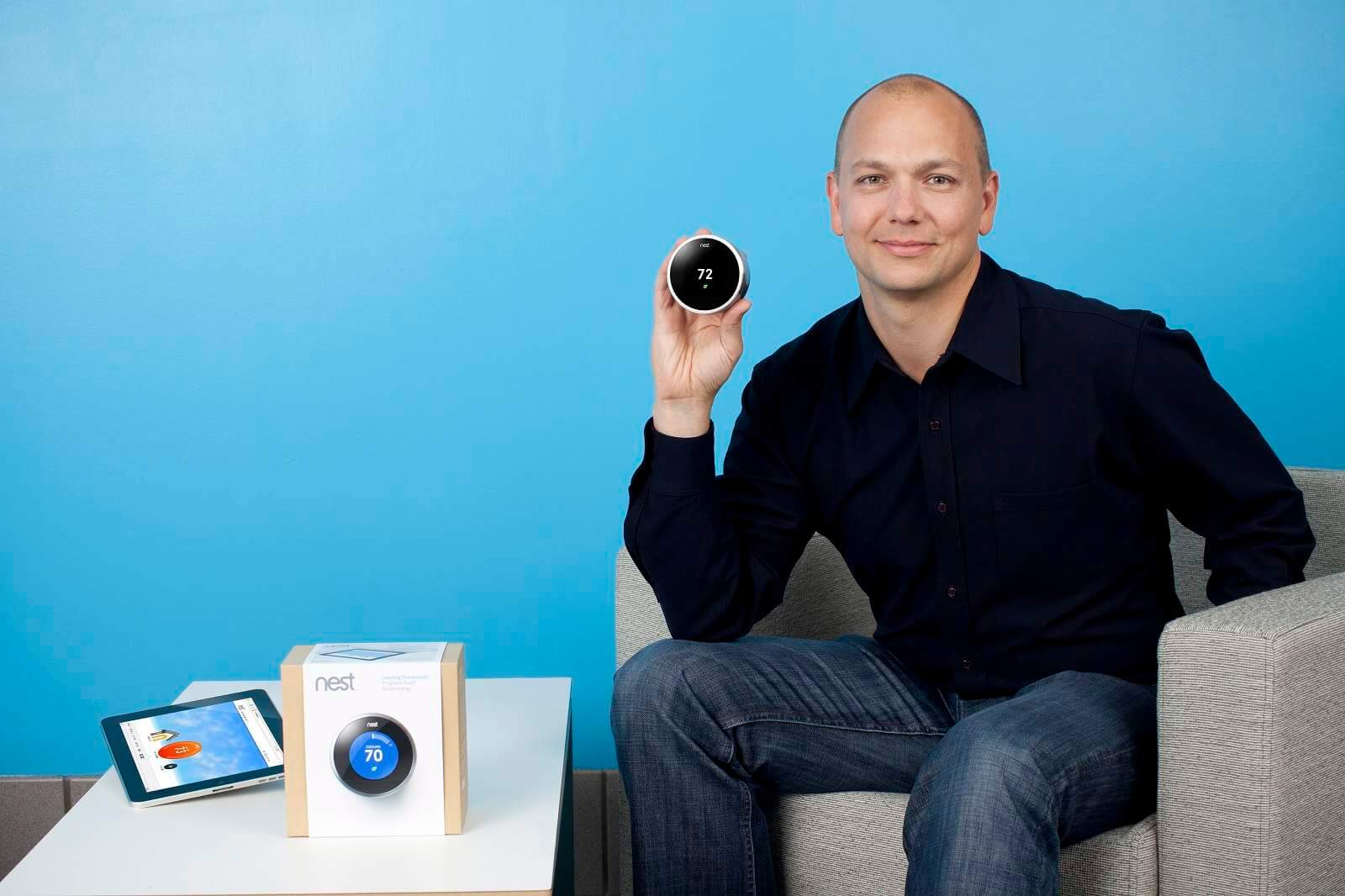
Fadell points out that these startups fundamentally misunderstood their audience. By assuming the average consumer desires a personal assistant, they ignored the reality that less than 0.01% of the world population has ever employed one. Beyond the lack of necessity, these products failed to address the massive hurdle of privacy. Entrusting an AI with sensitive data like banking or meeting schedules requires a level of security that current offerings simply have not achieved.
He highlights that the path forward requires a shift toward on-device processing. Rather than relying on cloud-based data centers, future agents must keep sensitive information local to ensure security and performance. This is where companies like Meta and OpenAI struggle; lacking the massive hardware footprint of Apple, they are forced to build standalone gadgets that tether to phones, effectively harvesting intrusive amounts of sensor data to function. Fadell suggests that while Apple maintains the necessary consumer trust and hardware expertise, their reliance on external models like Google’s Gemini leaves a gap in the market for a truly integrated, private AI agent.
Comments (0)
No comments yet. Be the first!