
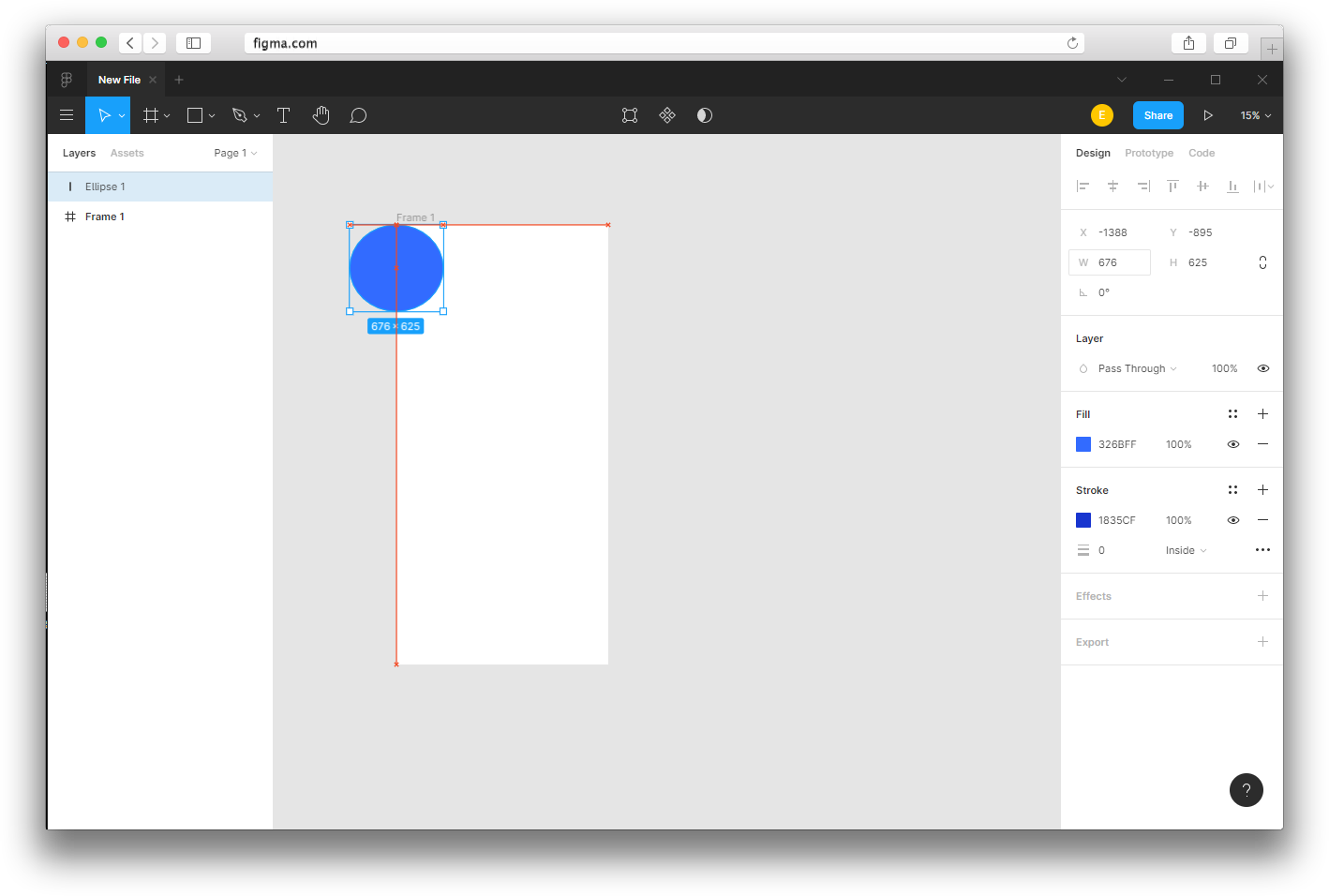
Figma Specs functions as a flexible editor where teams can define design rules that live either as standalone files or directly within the canvas. Beyond simple text, the tool supports embedded FigJam diagrams, code layers, and references to specific canvas elements. This structure aims to solve the non-deterministic nature of AI by giving agents a formal rulebook to follow, ensuring that prototypes generated or modified by AI align with established company guidelines.
Alongside Specs, Figma has moved its code layers feature into public beta. This function enables interactive prototyping by allowing users to request that the platform’s AI agent convert designs into code or iterate on existing snippets. Chief design officer Loredana Crisan noted that while AI has dramatically increased the volume of code production, the gap between writing code and shipping products remains significant. By integrating these tools with the Payload headless CMS—acquired by Figma last year—the company intends to bridge that gap, facilitating a smoother transition from design discovery to actual deployment.
These updates arrive as Figma doubles down on its presence in India, now its largest market outside the United States. With 40% of the top 100 companies on the Bombay Stock Exchange already utilizing the platform, the push to standardize agent behavior is a strategic move to capture more enterprise-level workflows. To further expand its ecosystem, the company is also adding support for over 20 new tools via its Model Context Protocol, including integrations with Open Code and the Indian startup Sarvam.
Comments (0)
No comments yet. Be the first!