
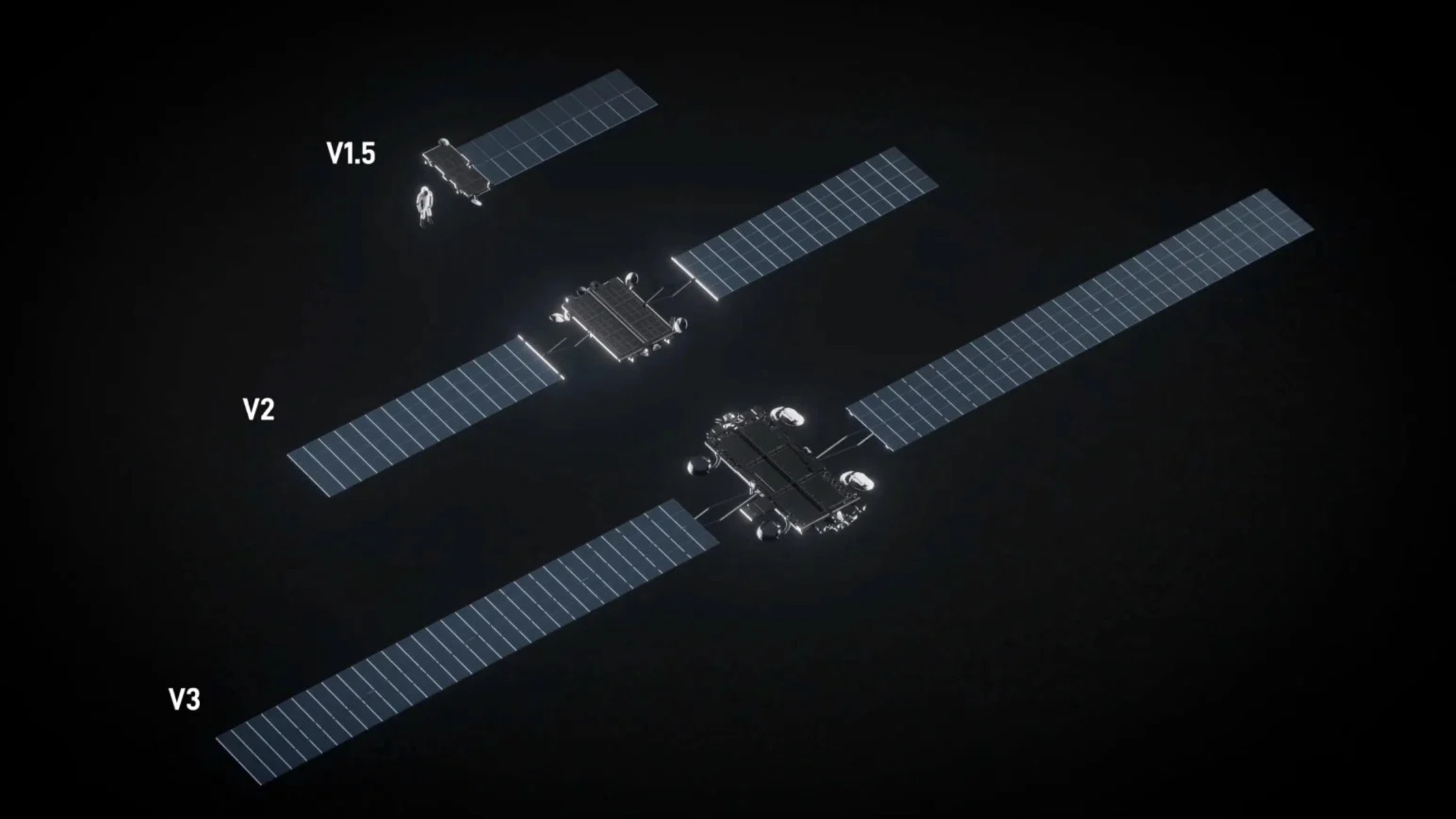
SpaceX’s strategy hinges on the recent acquisition of low-band spectrum, specifically the 800 MHz assets once held by Nextel. Unlike previous satellite-only ambitions, this move signals a pivot toward a hybrid terrestrial-space network. Industry experts note that satellites alone cannot provide the penetration required for modern indoor mobile coverage, necessitating a ground-based infrastructure that SpaceX is now funding at a significant scale. While the company has previously downplayed the need for a traditional cell network, the sheer cost of these spectrum purchases indicates that the company is preparing to compete directly for consumer market share.
The existing telecom giants, long accustomed to high EBITDA margins and protected market positions, have largely dismissed the threat. However, the industry is currently facing a reckoning after the failure of 5G to generate expected revenue growth. Verizon, in particular, appears vulnerable due to past strategic missteps and a lack of spectrum depth compared to its peers. As SpaceX continues to allocate capital toward this mobile expansion, the established carriers face a difficult choice: maintain their defensive stance or risk losing ground as SpaceX builds out its network. The trajectory suggests that even if SpaceX’s rollout faces delays, the mere presence of an aggressive, well-funded competitor is already destabilizing the market dynamics that have defined the sector for decades.
Comments (0)
No comments yet. Be the first!