
The arrival of the first touchscreen MacBook Pro forces a reckoning with that foundational philosophy. For over a decade, Apple steered its hardware design away from touch-sensitive displays, favoring the precision of the trackpad and the stability of the keyboard. Jobs famously noted that while touch interfaces work beautifully on horizontal surfaces like tablets, they create an unnatural experience on a screen held upright. The company now faces the challenge of proving that its implementation can overcome the fundamental physical limitations Jobs once highlighted, or whether this move represents a quiet concession to shifting market expectations.
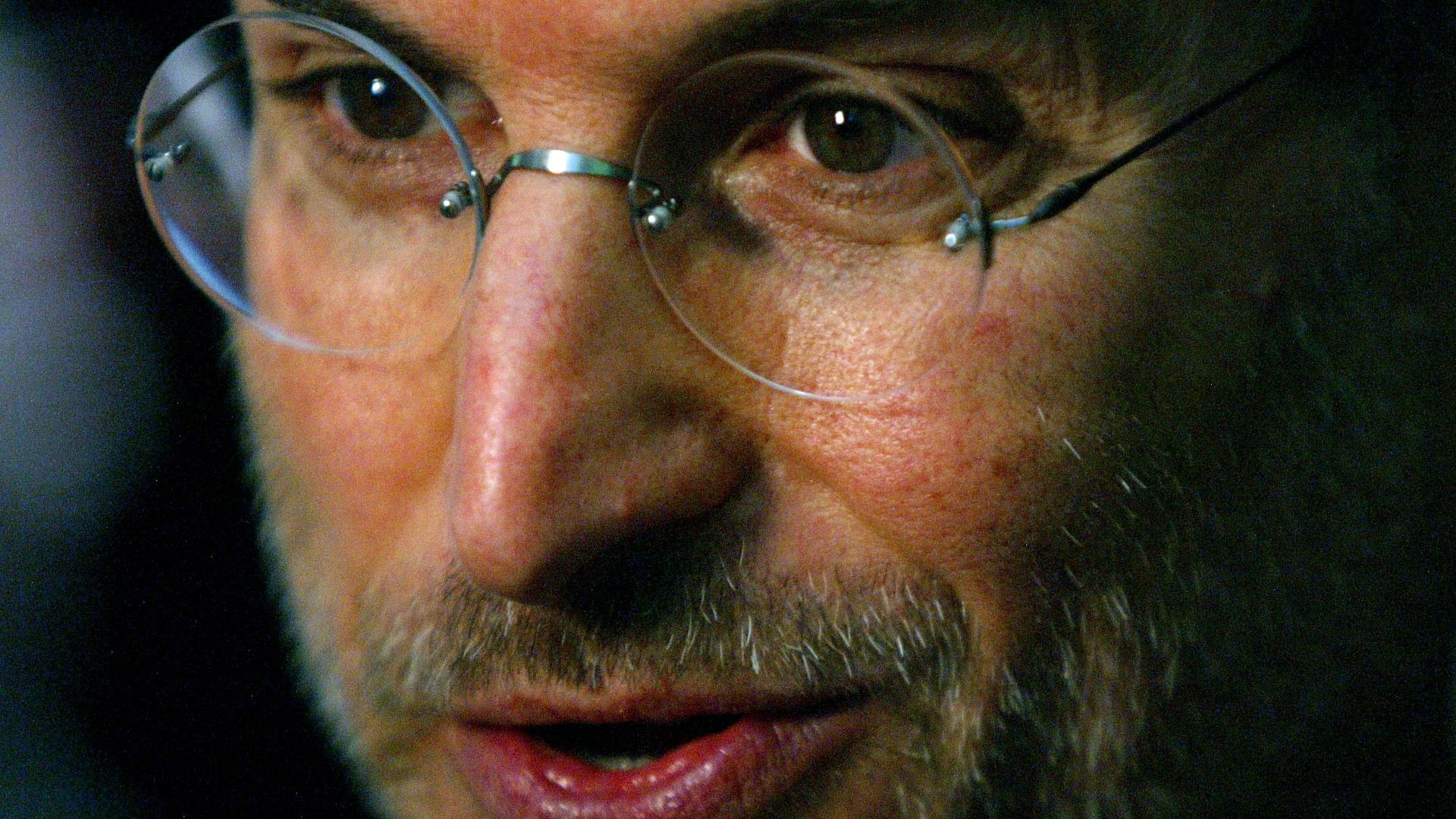
Steve Jobs and the Touchscreen Paradox
When Steve Jobs dismissed the prospect of touchscreens on laptops during a 2010 event, he framed the concept as physically taxing and ergonomically disastrous. He argued that vertical surfaces are not meant for sustained interaction, predicting that users would suffer from arm fatigue within minutes of attempting to navigate a display.
Comments (0)
No comments yet. Be the first!