
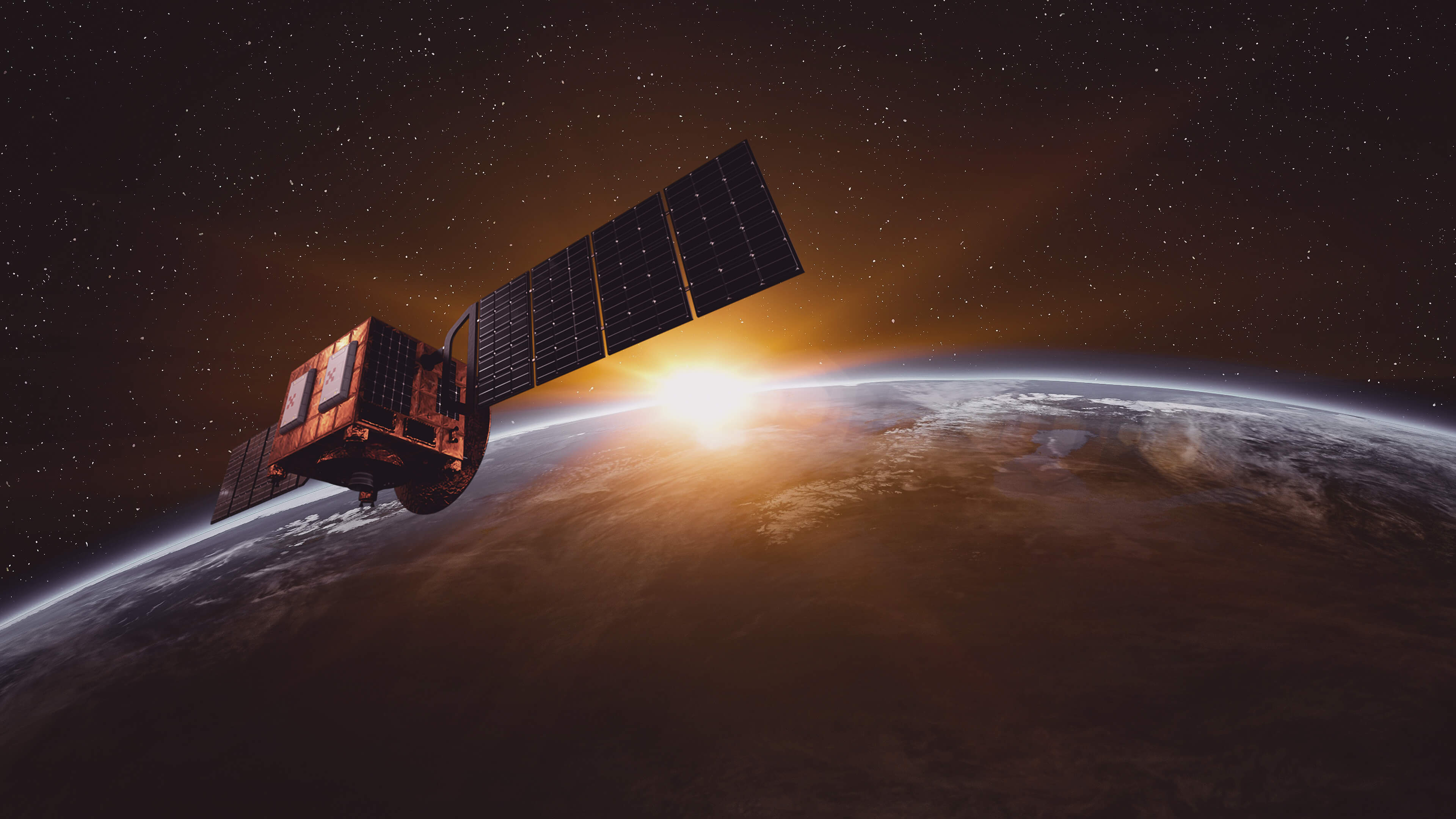
Current space construction relies on 'origami' engineering, where telescopes and solar arrays are folded to fit inside launch vehicle fairings before deploying in orbit. This approach is notoriously complex and prone to mechanical failure. By printing rigid, cylindrical beams on demand, Orbital Matter aims to bypass these size constraints, allowing for the creation of larger solar arrays and heat radiators necessary for future orbital data centers.
While one of the four printers aboard Replicator-2 experienced an anomaly, the mission successfully demonstrated the core capability. The startup, which raised a $3 million seed round, is already looking toward a 2028 demonstration mission. This next phase will test a larger printer capable of generating 5 kilowatts of power, serving as a stepping stone toward 100-kilowatt arrays by 2030. CEO Jakub Stojek and CTO Robert Ihnatisin are currently working with the European Space Agency and Thales Alenia to integrate this printer-assisted deployment system into future satellite architectures.
Comments (0)
No comments yet. Be the first!