
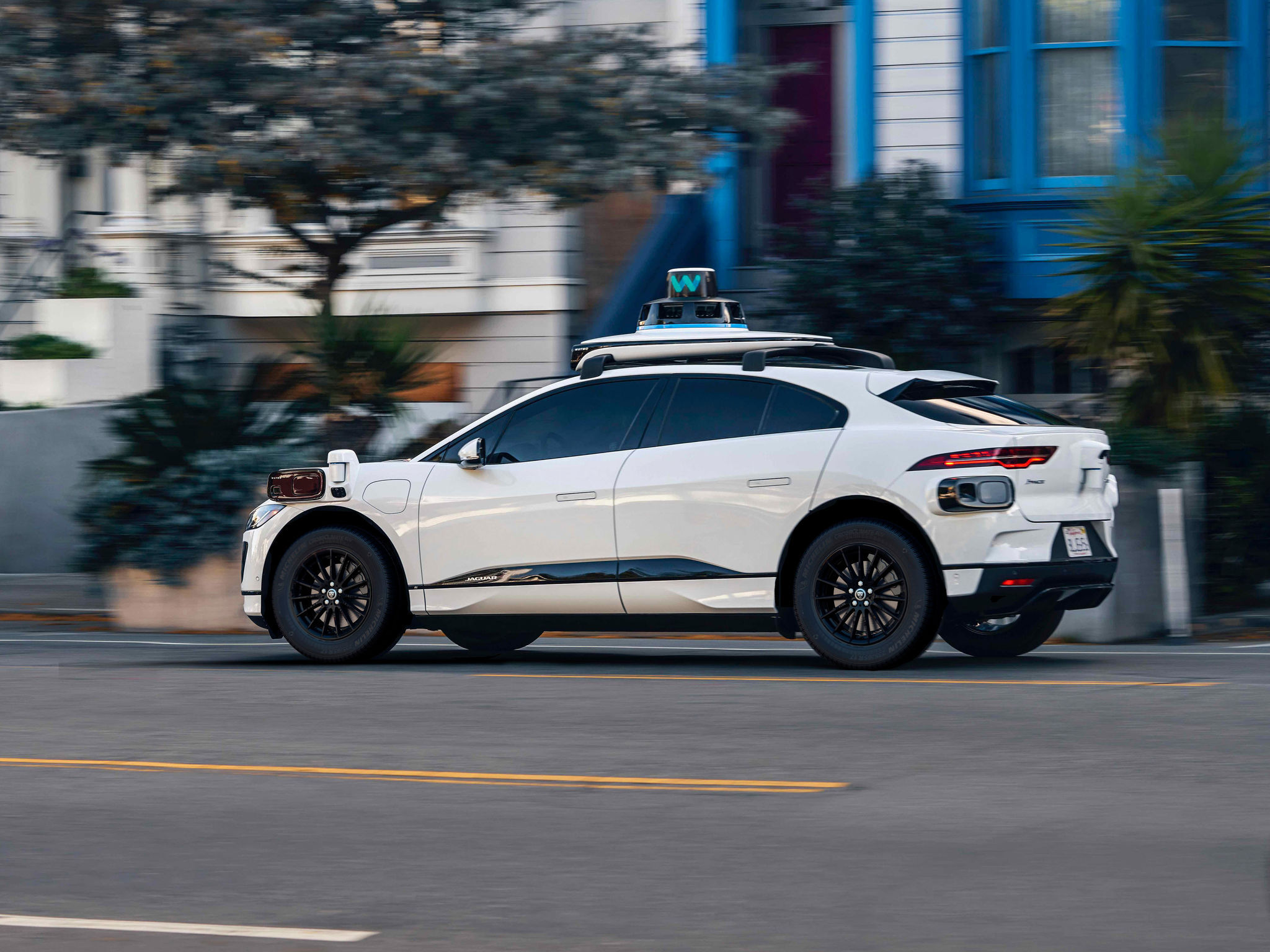
The shift marks a strategic pivot for the Alphabet-owned firm, which initially leaned on Uber to gain rapid scale in new markets. Mawakana described the current hybrid user experience as inconsistent, noting that customers often struggle to distinguish between autonomous vehicles and human-driven cars when booking through the Uber platform. By bringing all operations under its own interface, Waymo aims to establish a direct connection with its user base and standardize the service experience.
While Uber maintains partnerships with various autonomous vehicle developers, the company pointed to Waymo as the party responsible for the decision, noting that Waymo opted against implementing a dedicated filter to isolate robotaxi bookings within the Uber app. This move reflects a broader trend among autonomous developers seeking greater control over their brand identity and customer data as they transition from experimental pilot programs to mature, city-wide transit networks.
Comments (0)
No comments yet. Be the first!