
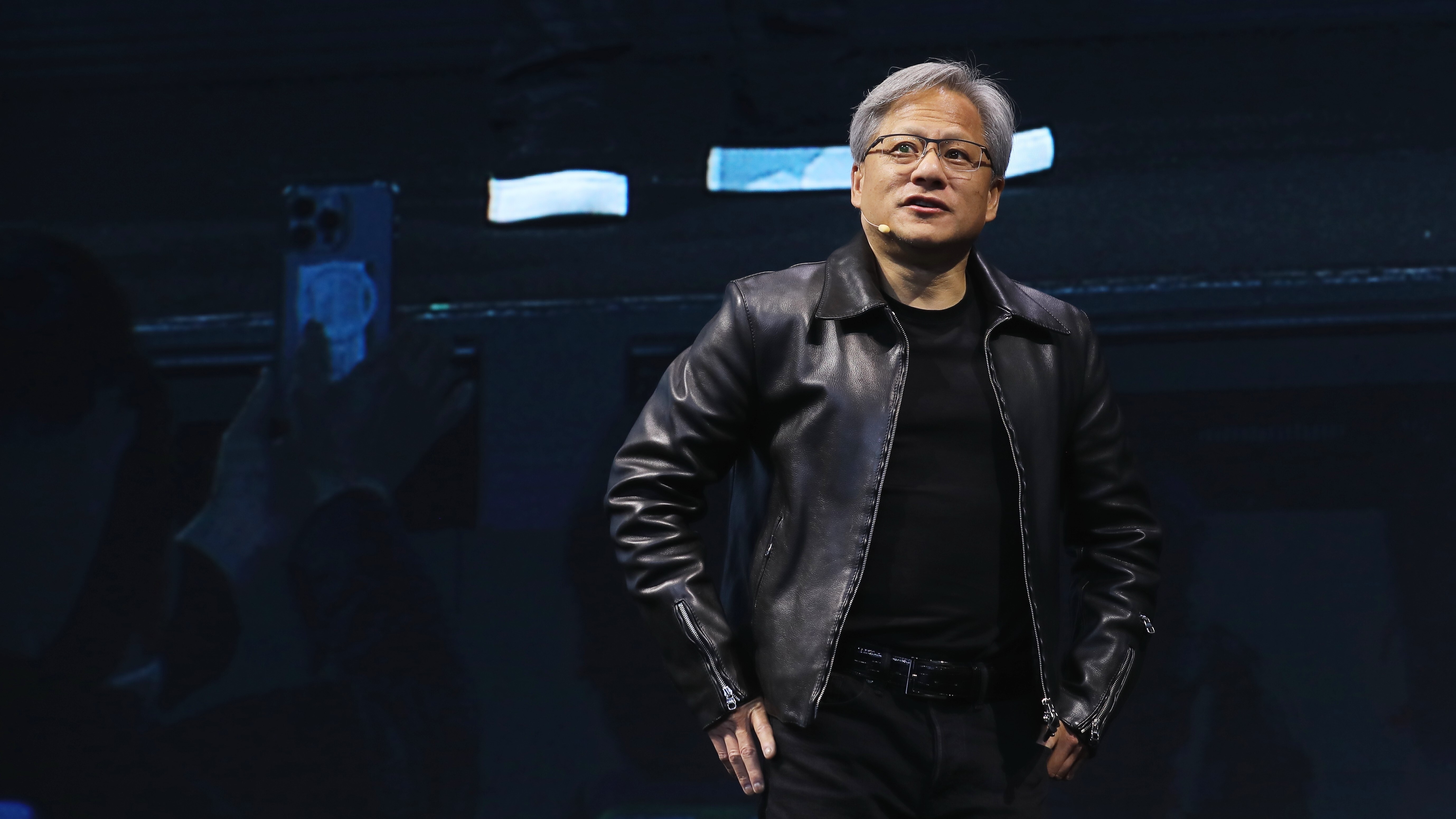
The pivot marks a radical re-evaluation of hardware longevity. Just last year, Huang dismissed Nvidia’s previous-generation Hopper chips as nearly obsolete, claiming they would be impossible to give away once the Blackwell architecture hit the market. Now, the company asserts that these units are flexible, fungible, and essential capital, a narrative shift that has left industry observers questioning the hardware's actual shelf life.
Market reality currently supports this high valuation. Rental prices for legacy chips are climbing, with Silicon Data projecting sustained growth through 2028. Cloud providers are already testing the limits of this demand, with some doubling rental fees for Blackwell B200 chips during contract renewals. By packaging compute power as a financial instrument, Nvidia aims to institutionalize the infrastructure underlying the AI boom, though the strategy rests on the assumption that today’s cutting-edge processors will retain their productive value for years to come.
Comments (0)
No comments yet. Be the first!