
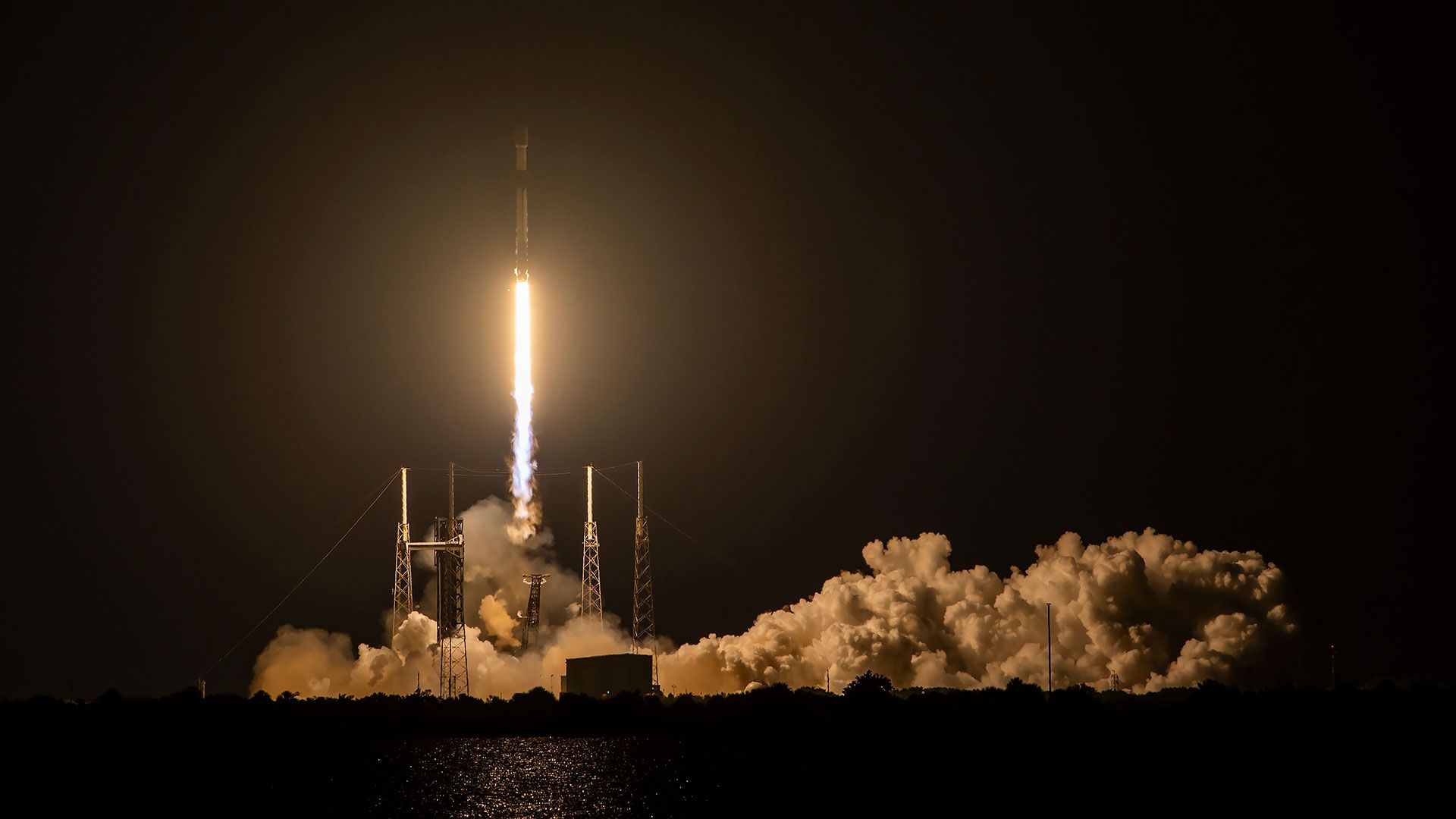
The experiment represents a pivot toward offloading data center infrastructure into space, a concept previously explored by figures including Elon Musk and Jeff Bezos. While ground-based simulations confirmed that Google’s chips could survive high g-force environments, engineers acknowledge that the unique challenges of the vacuum of space require live testing. Specifically, the team intends to evaluate a specialized cooling system utilizing heat pipes and radiators to manage hardware temperatures.
Travis Beals, senior director of product management for Project Suncatcher, confirmed that current limitations restrict the chips to 15-minute operational bursts before requiring a cooling cycle. Despite these constraints, the company plans to expand the initiative by deploying two additional satellites next year. The long-term objective remains the creation of a orbital constellation capable of scalable AI computation, moving beyond the physical limitations of terrestrial data centers.
Comments (0)
No comments yet. Be the first!