
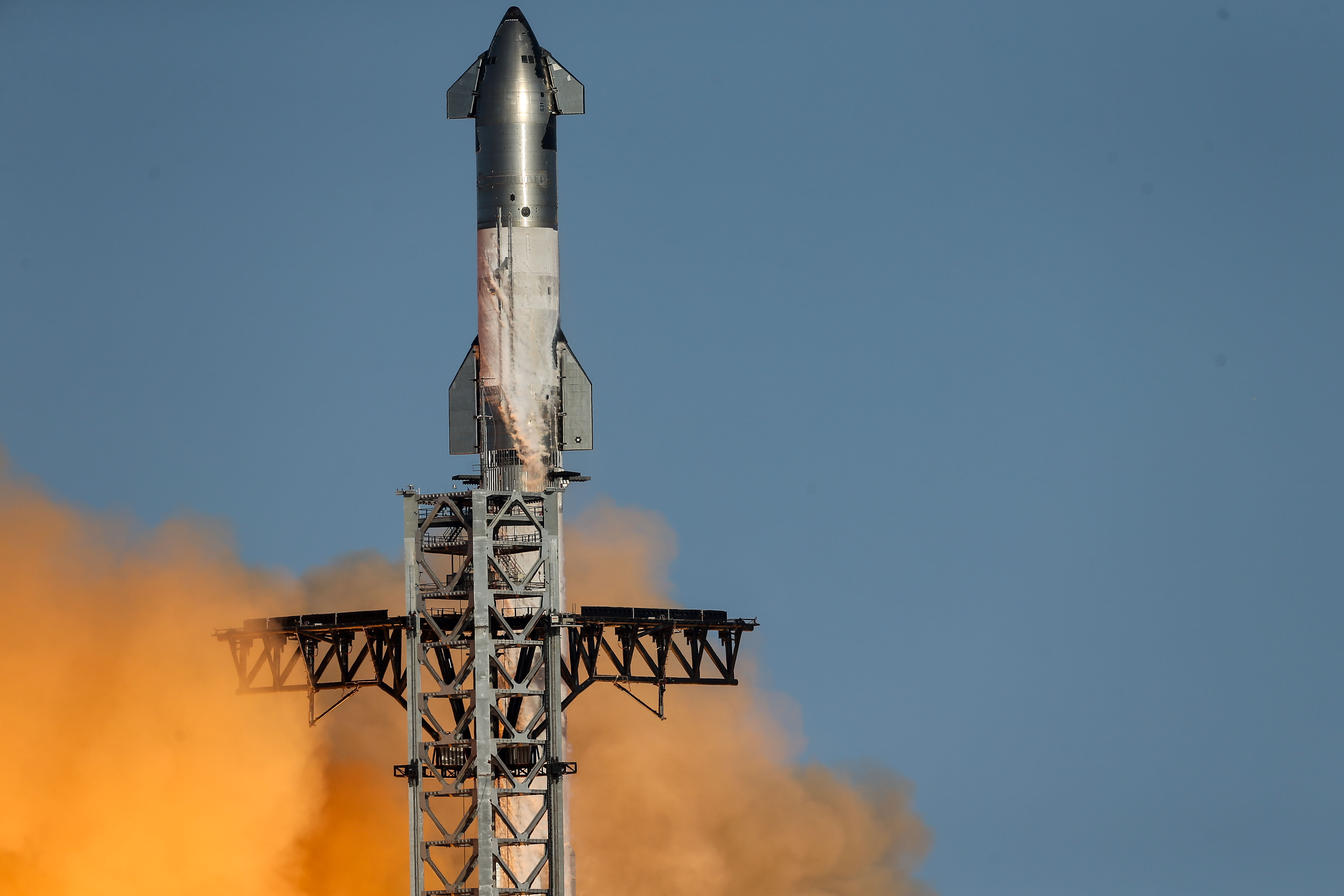
Despite the engine failure, the vehicle maintained enough thrust to reach its target trajectory. This achievement marks a turning point for Elon Musk, who has pivoted the entire company toward Starship as the backbone for NASA lunar missions and future satellite deployments. The flight also provided a crucial test for the company’s reusability ambitions, as SpaceX continues to refine the hardware required for commercial scaling.
Progress also occurred closer to home. The Super Heavy booster completed a simulated landing over the Gulf of Mexico, marking the most refined performance for the V3 hardware since testing began in May. While the original flight plan called for six orbits to deploy 26 third-generation Starlinks, the company has yet to confirm how the engine anomaly impacted the deployment schedule.
Comments (0)
No comments yet. Be the first!