
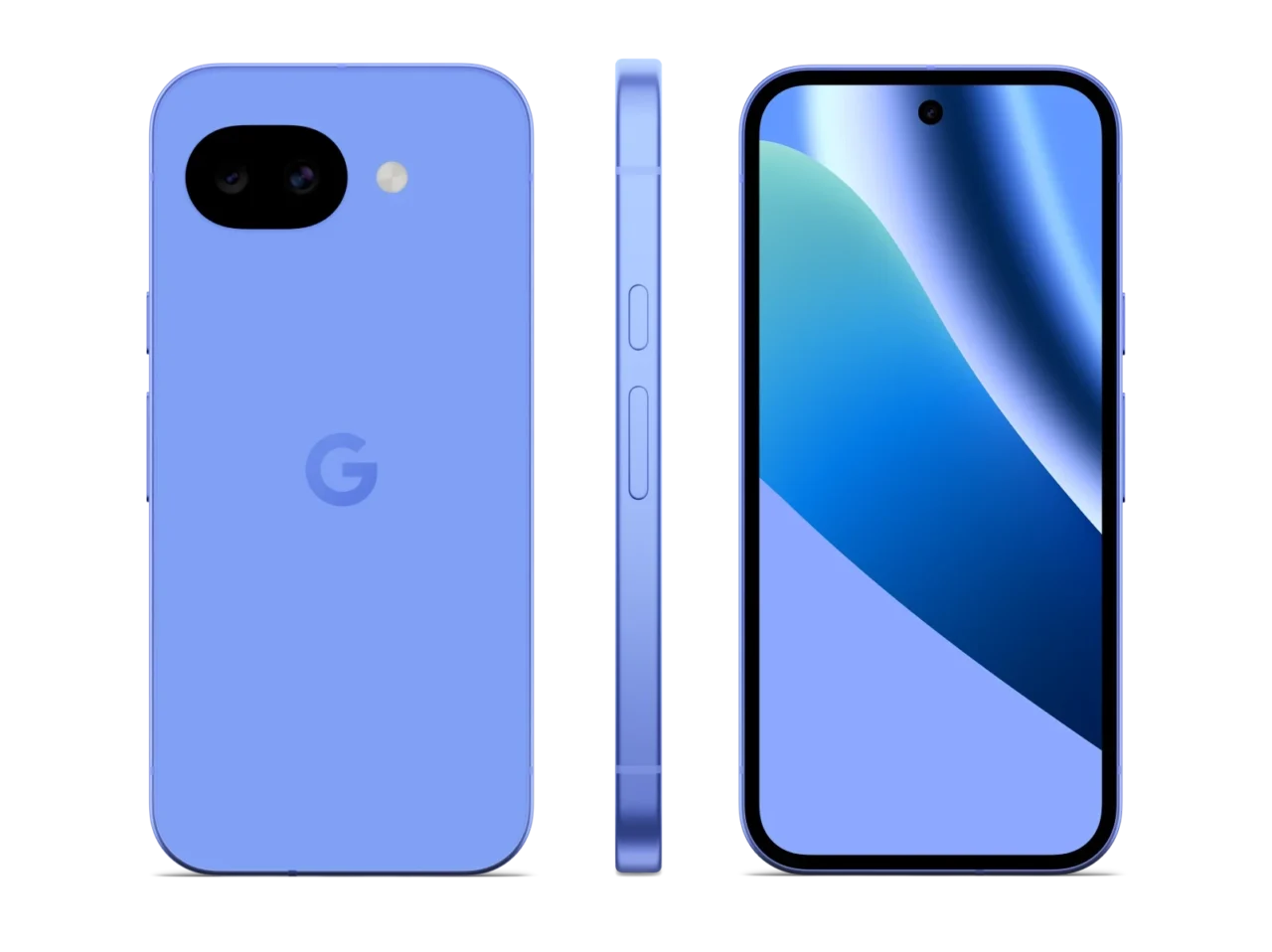
Hardware changes in the 10A are incremental to the point of being invisible. While the device features a refined, slightly recessed camera housing and a shift to Gorilla Glass 7i, the core internal components remain identical to last year’s model. The phone continues to run on the Tensor G4 chipset and utilizes the same 48-megapixel main and 13-megapixel ultrawide sensor array. For the average user, the only tangible upgrades are a peak brightness increase of 300 nits, slightly faster wired and wireless charging, and the addition of Satellite SOS functionality.
Software additions are equally sparse. New features like Camera Coach and Auto Best Take feel like minor gimmicks rather than substantive improvements, and Google has yet to confirm if these will remain exclusive to the 10A or eventually migrate to the 9A via updates. The phone remains a sleek, comfortable device that performs well in daily tasks, but it lacks the hardware evolution expected of a generational leap. As long as the Pixel 9A remains in stock at a discount, it stands as the more logical purchase for those seeking value. The 10A is a quality handset, but it is currently a solution to a problem that does not exist.
Comments (0)
No comments yet. Be the first!