
Founded in 2019 by Stanford aerospace alumni, Xona identified a critical gap in the global navigation market. While government-operated systems like GPS are free to access, they often lack the signal strength required for autonomous vehicles and precision robotics. CEO Brian Manning notes that the true market opportunity lies not in the signal itself, but in the hardware integration required to process high-performance timing and location data.
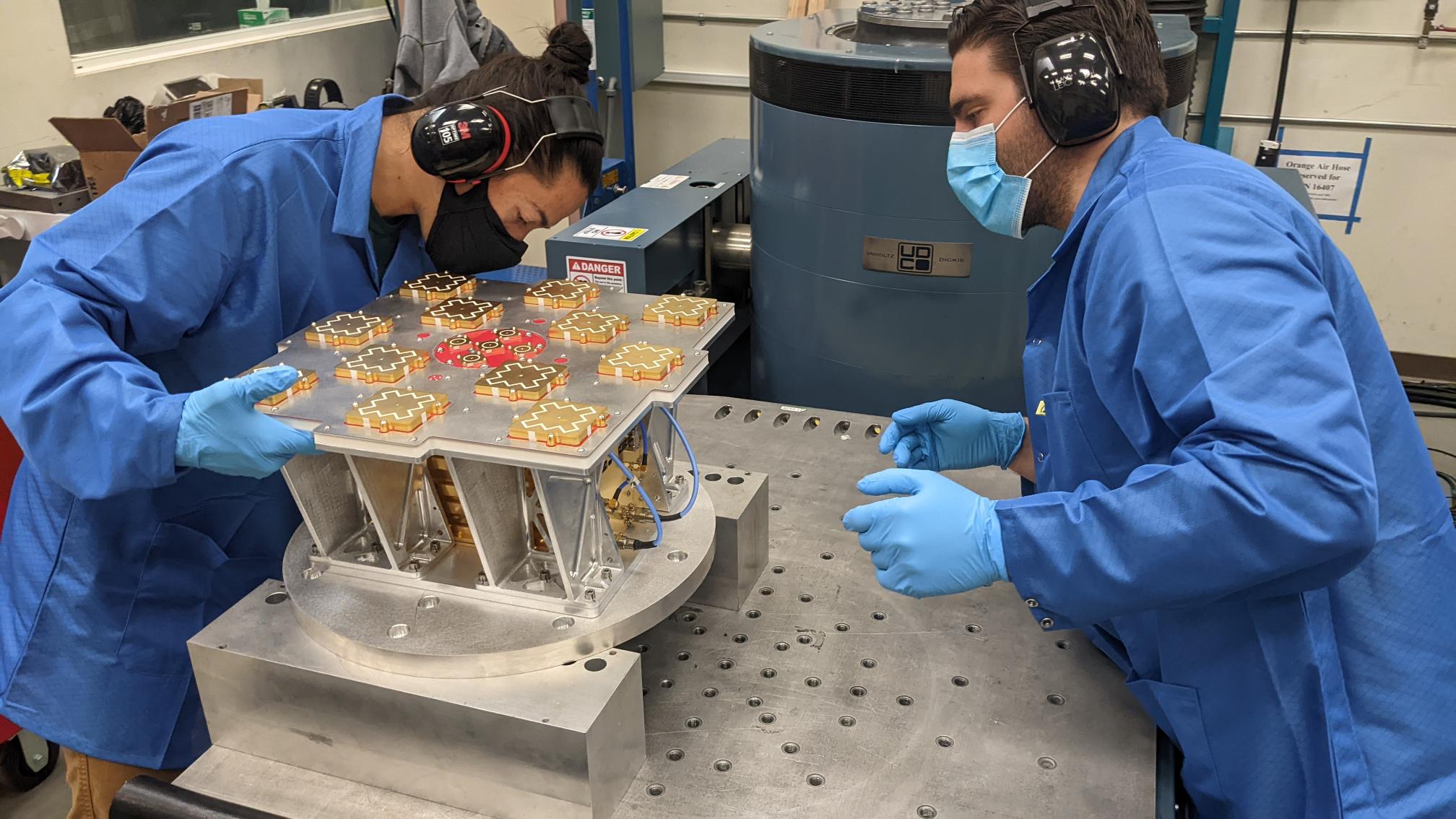
To bypass the need for expensive onboard atomic clocks, the company developed a unique architecture that relies on close-proximity communication with ground-based reference stations. This innovation allows Xona’s signal to be received by existing hardware through simple software updates. The upcoming launch includes four satellites based on Aerospace Labs platforms and two units manufactured entirely in-house at the company’s Burlingame, California facility. These will form the initial testbed for Pulsar, a planned 258-satellite constellation.
Once the satellites reach orbit, Xona will begin beta-testing with partners like TimeBeat. The company has secured over $300 million in funding, including a notable $20 million investment from the U.S. Space Force, reflecting growing security concerns regarding satellite jamming and spoofing. CTO Tyler Reid, whose academic research into low-earth orbit navigation inspired the venture, views this precision as the final piece of the puzzle for the widespread adoption of autonomous transport. By 2028, Xona intends to provide full service across the U.S., Europe, Japan, and South Korea.
Comments (0)
No comments yet. Be the first!