
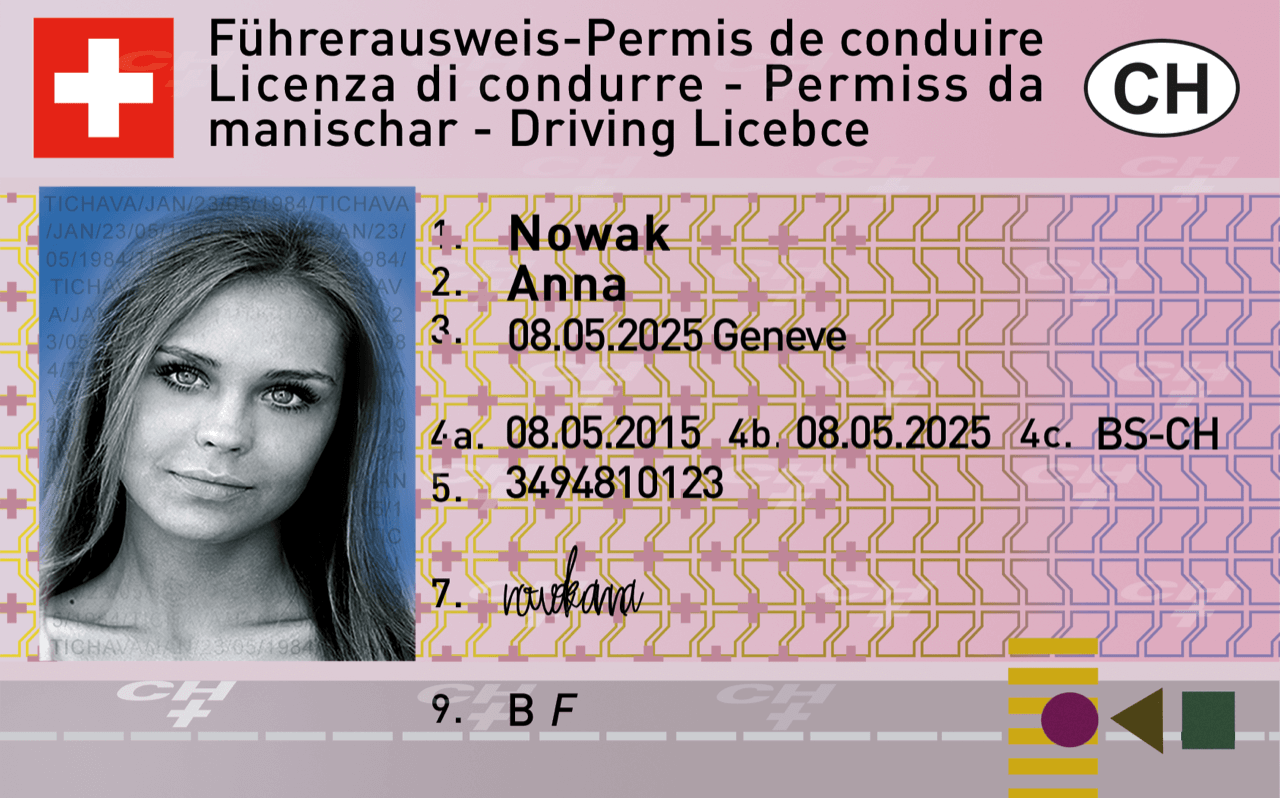
This shift addresses a persistent industry friction point: the struggle to balance rigorous compliance checks with the need for efficient customer acquisition. By treating documents featuring QR codes as equivalent to those with traditional machine-readable zones, the regulator aims to reduce the high rates of onboarding abandonment that currently plague digital banking channels.
Beyond identity verification, the updated guidance clarifies the standards for residential proof. Financial firms may now utilize digital processes that reliably link a client and their infrastructure to a specific address, provided these systems meet the regulator's security threshold. During the public consultation phase, the authority explicitly addressed concerns regarding artificial intelligence, balancing the promise of automated verification against the potential for sophisticated fraud. This regulatory pivot marks a calculated attempt to modernize the Swiss financial sector, ensuring that security protocols keep pace with evolving digital identification technologies without stifling user experience.
Comments (0)
No comments yet. Be the first!