
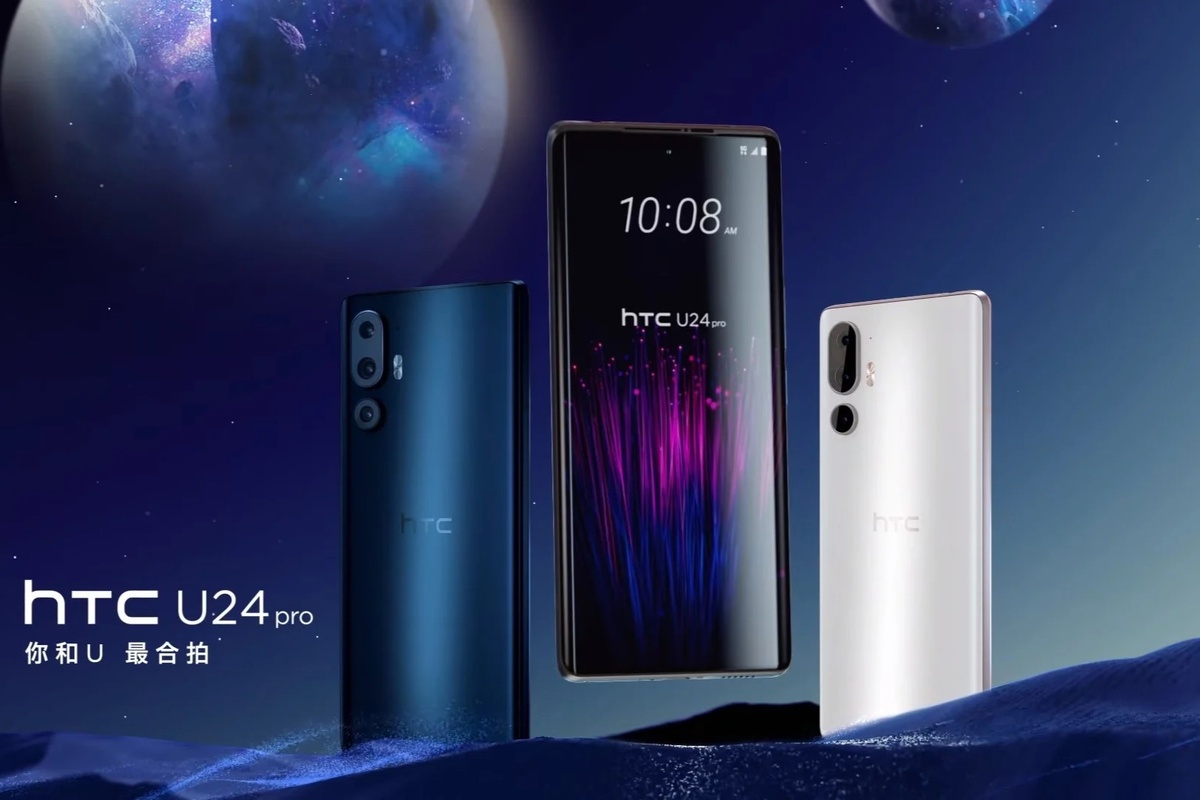
The visual similarities are difficult to ignore. Both devices feature a unique, sharply angled frame that tapers to a point at each edge, paired with a heavily curved display. Beyond the chassis, the sensor arrays along the top bezel—including the specific placement of the speaker grille, proximity sensor, and notification LED—align with uncanny precision. Even niche features, such as the inclusion of a 3.5mm headphone jack and a microSD card slot, mirror the HTC U24 Pro’s configuration.
Sohaib Ahmed, HTC’s global director of PR, has confirmed that the company does not manufacture phones for third parties, effectively distancing the brand from the Trump project. However, the industry practice of using Original Design Manufacturers (ODMs) provides a plausible explanation. These firms often retain ownership of hardware designs, allowing them to repurpose existing templates for multiple clients. It is probable that Trump Mobile engaged the same manufacturer responsible for the U24 Pro, leading to the reuse of established internal architecture.
Technical specifications further bridge the gap between the two. The T1 is rumored to utilize a Qualcomm Snapdragon 7-series chip, matching the Snapdragon 7 Gen 3 found in the U24 Pro. While the Trump phone reportedly sports a larger 5,000mAh battery compared to the HTC’s 4,600mAh cell, the underlying layout appears largely consistent. Given the U24 Pro’s lackluster reception—often criticized for being outdated upon release—the reliance on this specific hardware platform raises questions about the T1’s market viability and its claims of flagship-level performance.
Comments (0)
No comments yet. Be the first!