
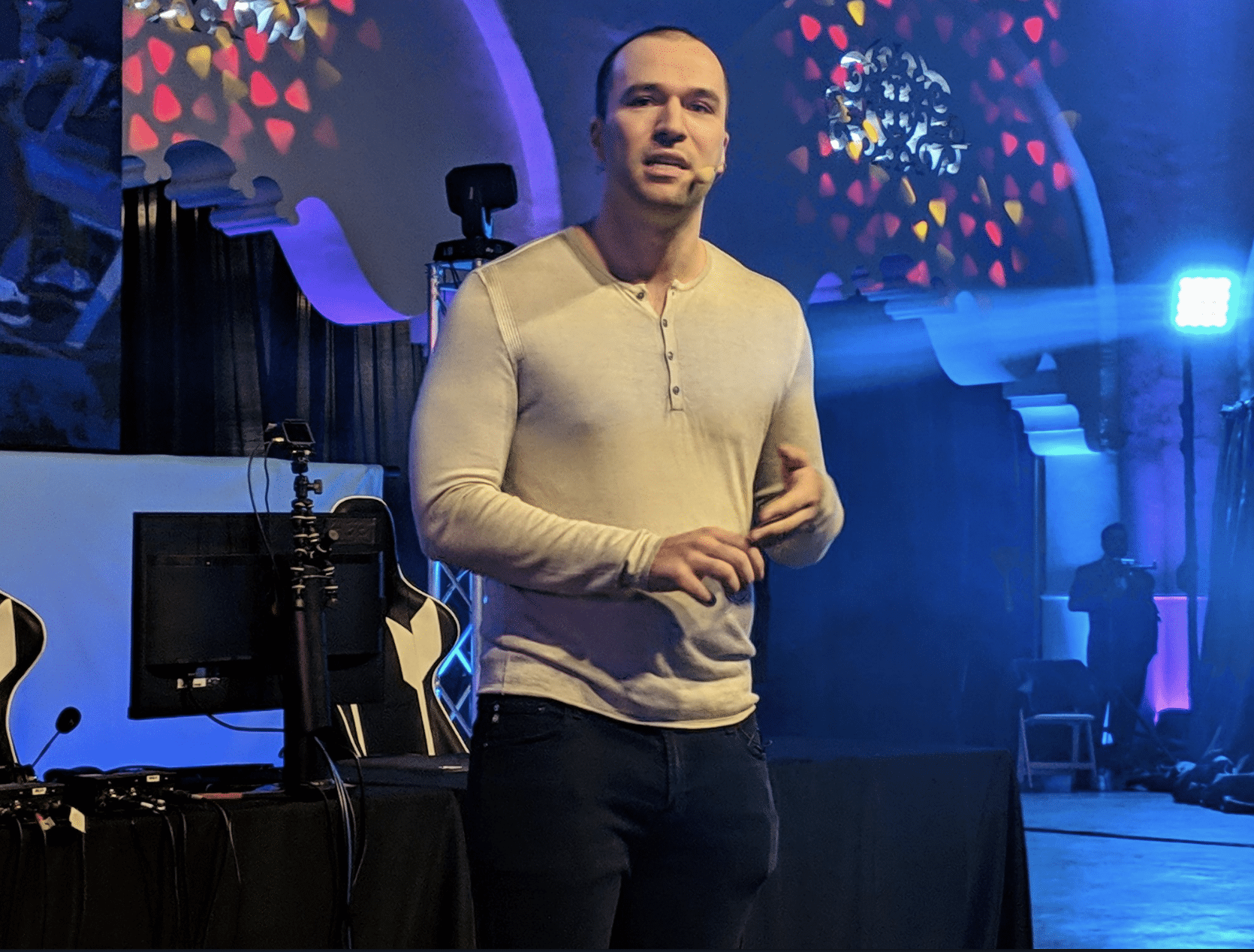
Asked whether OpenAI would be ready for an initial public offering next year, Brockman replied, “I think so. Yes.” He said the company wanted to go public when the timing was right and that he felt more confident than ever in its progress.
Brockman described a difficult start to 2026 for OpenAI’s enterprise ambitions. The first two quarters were “pretty rough,” he said, and the company “wasn’t even in the conversation” in agentic coding, where rival Anthropic’s Claude Code had gained market share. OpenAI had its Codex product, he said, but “no one was talking about it.” The company kept working and executing, he added.
Momentum picked up in the third quarter. OpenAI recorded 70% quarterly growth in annualized revenue, which Brockman attributed to a doubling of its enterprise business. He said the increase reflected investments made over time, rather than a single development during that quarter. Enterprise now generates most of OpenAI’s revenue, compared with about 30% previously. Consumer revenue has also continued to grow, he said, but the enterprise segment has expanded faster.
Brockman cited a recent partnership with J.P. Morgan Chase as an example of the clients OpenAI is now winning. He said the company had learned that enterprise sales require helping businesses identify valuable milestones for AI, building client trust and proving it can be a reliable long-term partner. A year ago, he said, prospective customers questioned whether OpenAI was committed to enterprise; “it’s so different today.”
Comments (0)
No comments yet. Be the first!