
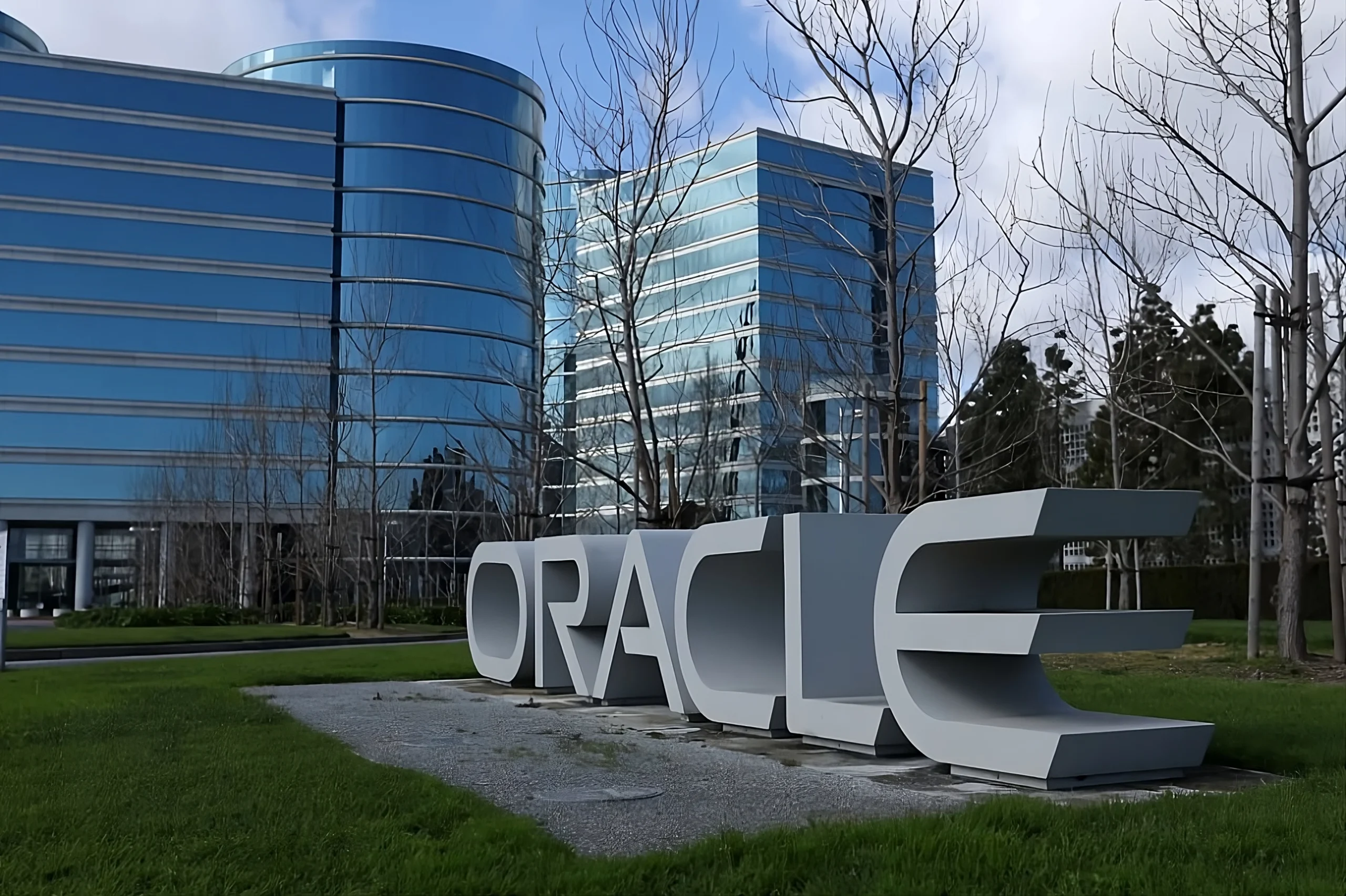
Oracle is moving away from its traditional high-margin database and software business and toward cloud infrastructure, a faster-growing but less profitable line that requires heavy investment. The company borrowed $43 billion in fiscal 2026 to fund its buildout. In the third quarter, which ended February 28, cloud and software accounted for 88 percent of revenue; software support brought in just under $5 billion, while cloud infrastructure generated about $4.9 billion. Support revenue was flat year over year.
The OpenAI contract is central to the shift. Oracle reported $553 billion in remaining performance obligations, more than $300 billion of which is tied to OpenAI. The company plans five data centers requiring millions of chips and 4.5 gigawatts of power. Their initial completion target of 2027 has reportedly slipped to 2028. Oracle is leasing facilities built by other companies, including a 15-year commitment to Crusoe in Abilene, Texas, worth more than $1 billion a year, according to SemiAnalysis.
OpenAI’s ability to meet its commitments is uncertain. The company recently raised $122 billion, but it has projected spending $665 billion by 2030 and expects to reach positive cash flow that year. It has faced leadership departures, legal challenges and missed revenue and user-growth targets, according to reporting cited in the source. Analyst Gil Luria said OpenAI has money for now, but he is not certain it can meet its $1.4 trillion in contractual commitments.
Oracle also faces risks from delays, rising construction and energy costs, and resistance to data centers in places including Doña Ana County, New Mexico, and Port Washington, Wisconsin. The article cites equipment shortages and pressure on semiconductor supply chains, as well as potential disruption to Oracle facilities in the Middle East amid the war in Iran. Its fixed debt and lease payments could become harder to cover if projects stall or revenue falls.
There are signs of strength, too: Oracle reported strong cloud infrastructure growth, and 90 percent of its database projects were on or ahead of schedule. The company’s broader bet is that businesses will pay to run AI on private data already held in Oracle databases. That could deepen customer dependence on its services, but the strategy hinges on execution—and on OpenAI remaining able to pay.
Comments (0)
No comments yet. Be the first!