
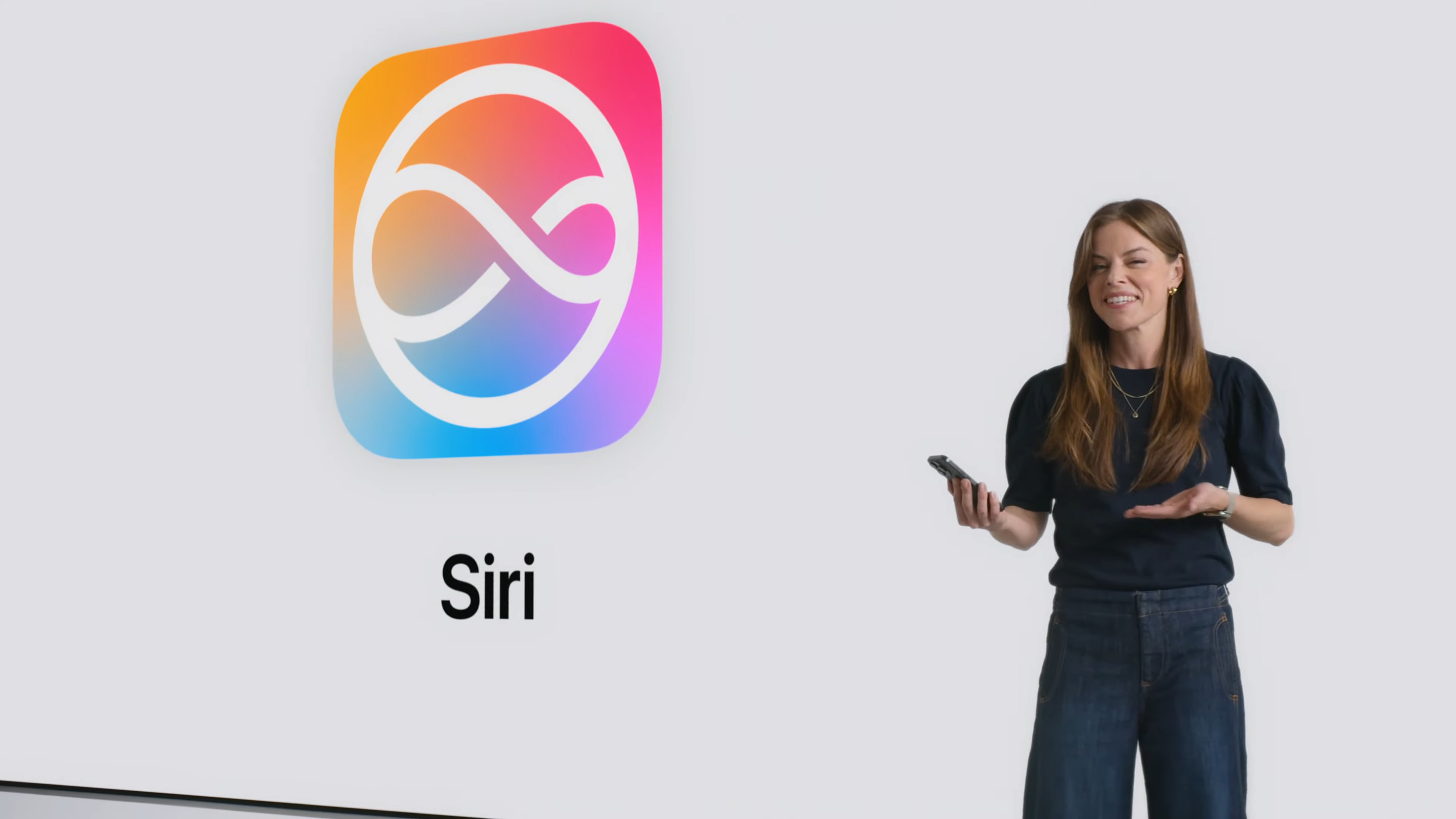
The assistant now navigates the iPhone’s ecosystem with genuine utility. It pulls data from photos, emails, and calendar entries to answer vague queries, such as locating a specific receipt or extracting a driver’s license number from an image. Beyond simple retrieval, the system handles multi-step requests like drafting emails, launching apps, and managing media playback with a consistency that previously eluded the platform. Users can now engage in fluid, back-and-forth dialogue, choosing between voice interaction or a new dedicated text interface that tracks conversation history.
These capabilities stem from a strategic collaboration with Google, leveraging Gemini technology to refine Apple’s proprietary Foundation Models. Designed to run on Apple Silicon and the Private Cloud Compute infrastructure, the system is undeniably functional. However, the tech landscape has shifted dramatically during Apple’s development phase. With competitors already deploying agents that reason, code, and operate software autonomously, Siri’s arrival feels like a baseline standard rather than a cutting-edge leap. For most users waiting for the official iOS 27 release in September, the update represents a fix for a persistently broken service rather than a transformative new experience.
Comments (0)
No comments yet. Be the first!