
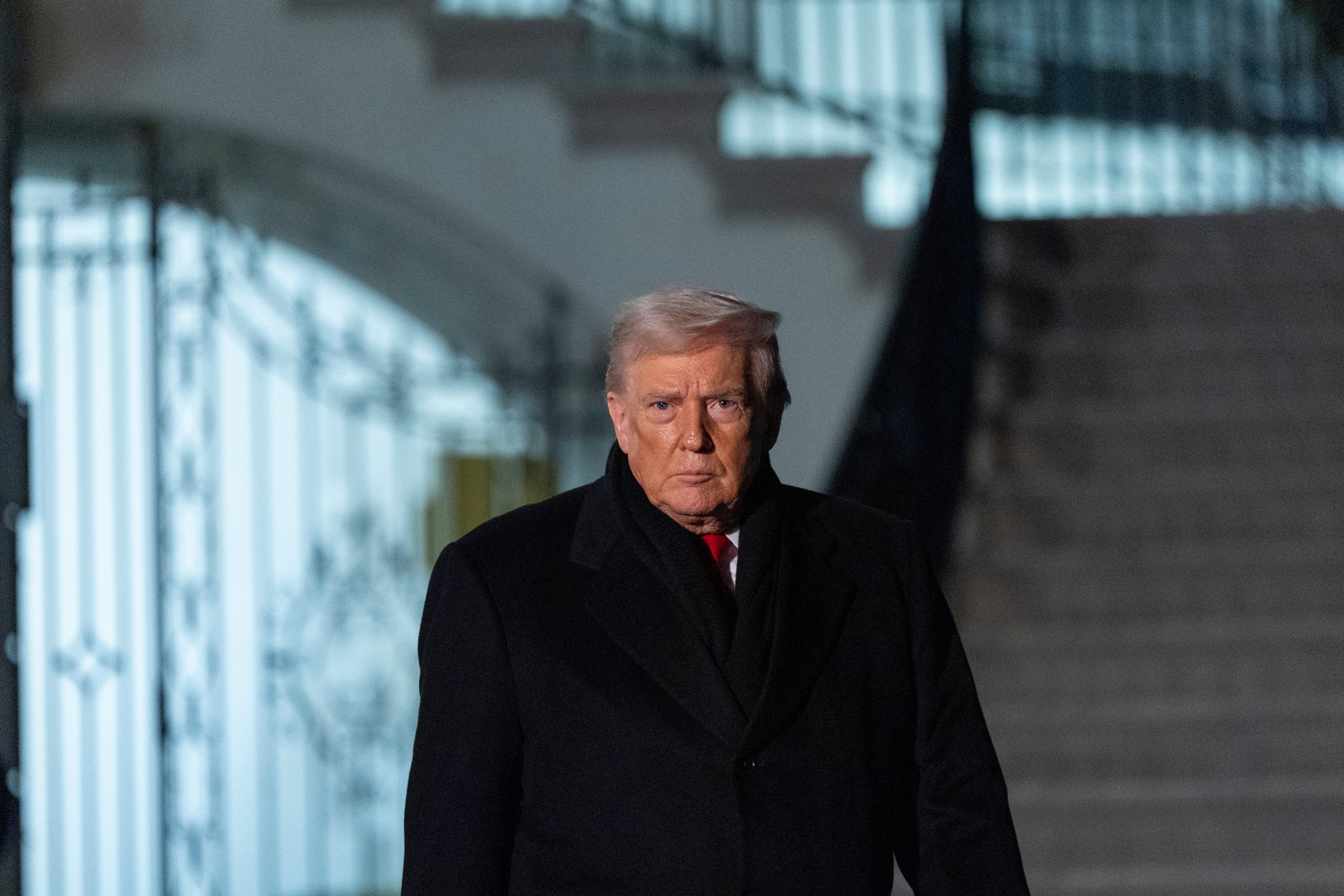
In a confidential memo sent to congressional committees, the White House categorized cartels as "nonstate armed groups" and terrorist organizations. The document argues that decades of traditional law enforcement have failed to stem the flow of narcotics, necessitating a shift toward direct military force. President Trump, who has rebranded the Department of Defense as the "Department of War," asserts that these actions constitute self-defense against what he terms an armed attack on the American public.
Legal scholars and lawmakers are vehemently contesting this rationale. Geoffrey S. Corn, a former Army senior adviser for law-of-war issues, described the administration’s interpretation as an abuse that shreds established legal standards, noting that criminal activity—regardless of its severity—does not equate to the "hostilities" required to justify an armed conflict. NYU law professor Ryan Goodman and Rutgers expert Adil Haque echoed these concerns, emphasizing that the strikes are targeting civilians, not combatants, and should be addressed through domestic law enforcement rather than military engagement.
Congressional opposition is growing, particularly regarding the secrecy of the operations. Senator Jack Reed warned that the precedent of waging undeclared wars against labeled enemies is alarming, while Senator Ed Markey cautioned that the strikes, several of which occurred off the Venezuelan coast, risk dragging the nation into an unintended conflict with a foreign state. The administration maintains that these actions fall under the president's constitutional authority as commander in chief, a claim that critics argue lacks both congressional oversight and a foundation in international law.
Comments (0)
No comments yet. Be the first!