
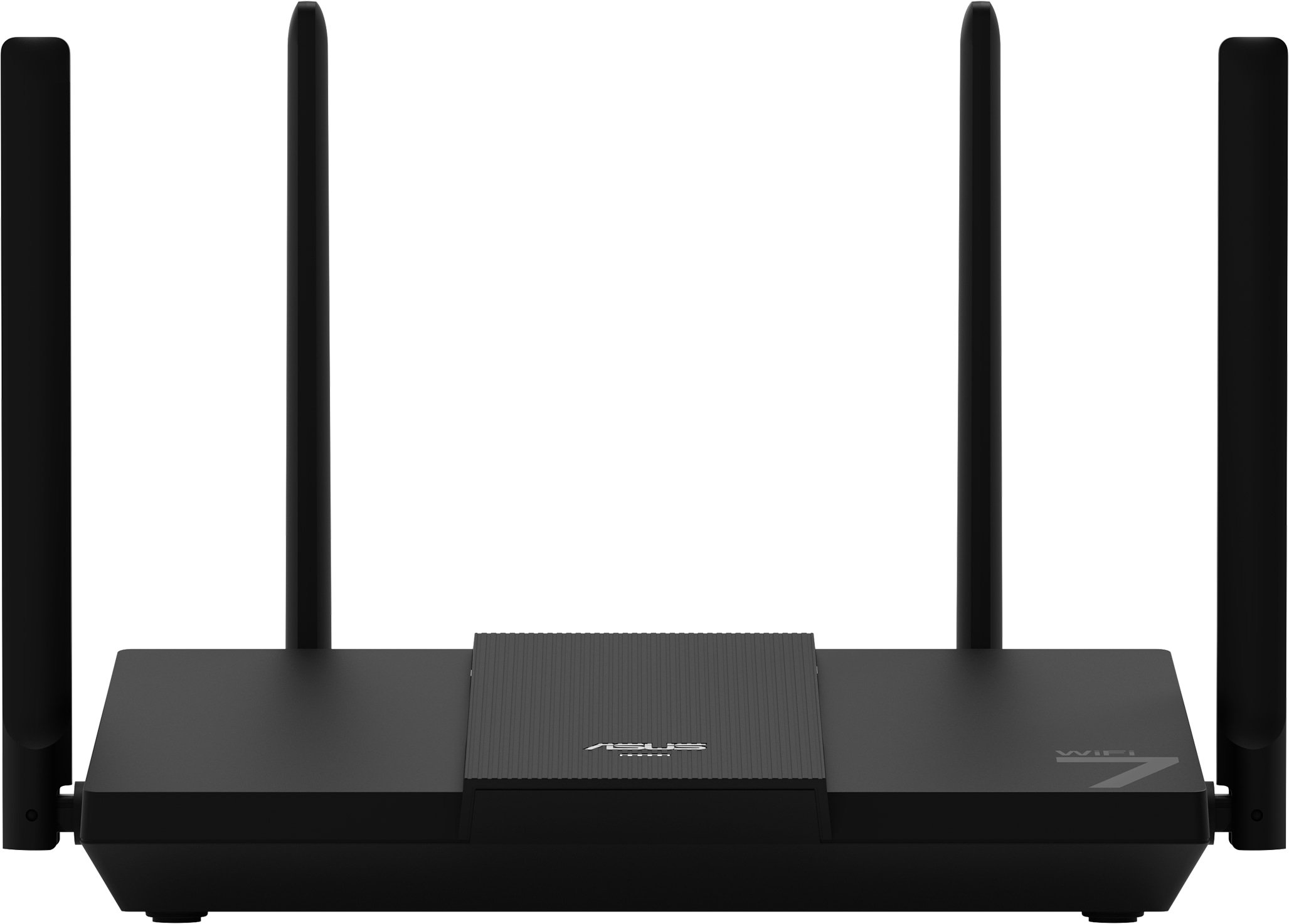
While the exemption allows Asus to introduce its upcoming Wi-Fi 8 hardware to the American market, the company's commitment to the FCC's conditions appears ambiguous. A spokesperson initially claimed the company submitted a plan to support its portfolio, yet repeatedly declined to clarify if that strategy includes actual domestic manufacturing. Instead, the company has pivoted to vague language regarding partnerships, leaving the scope of its compliance with the new federal rules entirely opaque.
This regulatory loophole suggests the government's recent crackdown functions more as a protectionist trade policy than a rigorous security audit. The FCC did not subject the company’s devices to security testing to qualify for the waiver, bypassing any technical vetting of the hardware itself. Given the significant economic hurdles to establishing electronics assembly in the United States, the broad four-year exemption granted to Asus highlights a disconnect between the stated goals of the ban and the reality of how these waivers are currently being issued.
Comments (0)
No comments yet. Be the first!