
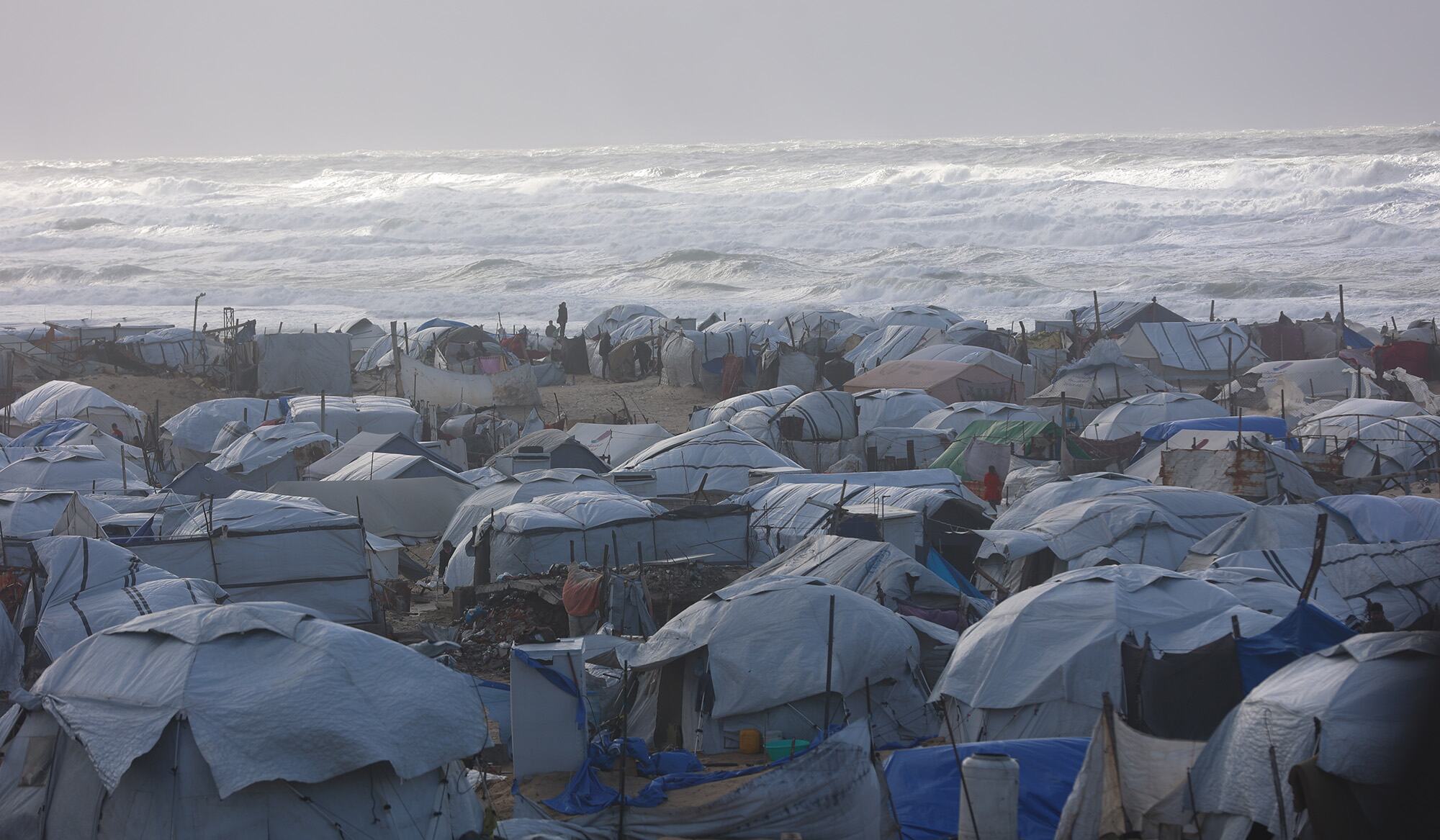
Médecins Sans Frontières (MSF) reports that the consistent encroachment by the Israel Defense Forces has squeezed civilians into increasingly smaller, unlivable pockets of territory. This tactical expansion has rendered the "yellow line" a fluid, lethal boundary; MSF teams frequently treat gunshot wounds sustained by residents who inadvertently drift too close to the shifting perimeter. The humanitarian crisis is compounded by severe restrictions on essential goods, including engine oil for ambulances and basic medical creams for rampant skin infections.
The Mechanics of Displacement
Conditions for those remaining in neighborhoods like Al-Tuffah and Al Zaytoun have reached a breaking point. The Danish Refugee Council notes that 80% of surveyed Palestinians in these zones face critical water shortages, while infestation and disease spread unchecked. The infrastructure required for survival—healthcare, sanitation, and clean water—is collapsing under the weight of sustained military operations. While Israeli authorities categorize these restrictions as necessary to prevent the dual-use of supplies by Hamas, the result for the civilian population is a profound lack of basic resources. Israeli Finance Minister Bezalel Smotrich recently amplified concerns regarding the long-term intent of these policies, suggesting that the destruction of Gaza’s infrastructure serves to discourage resettlement and encourage migration. With over 74,000 Palestinians killed since October 2023 and 80% of local structures damaged, aid organizations warn that the normalization of such displacement is effectively finalizing a policy of permanent exclusion.
Comments (0)
No comments yet. Be the first!