
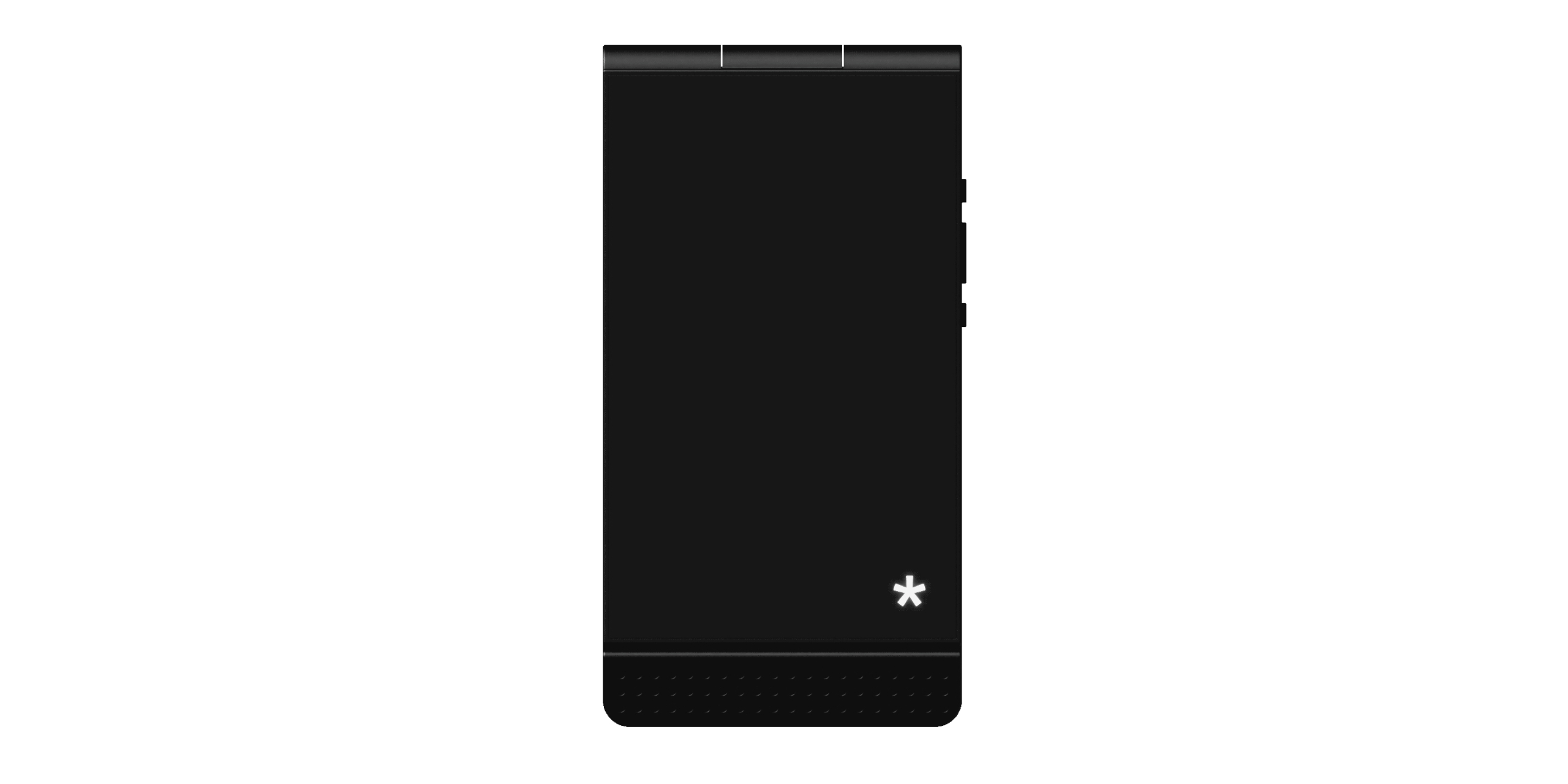
The Light Flip, scheduled for early next year, abandons the all-black aesthetic of its predecessor for a range of colors while maintaining the company’s signature chunky design. Interaction is restricted to a physical numberpad and D-pad, as the 2.8-inch display is not a touchscreen. Under the hood, the device runs on a MediaTek MT8873 processor with 6GB of RAM and 128GB of storage. Intentionality is the core design principle here: the exterior lacks a screen, forcing users to physically flip the device open to access information or notifications.
At a price point of $299, the Flip is positioned as a secondary device intended to help users leave their primary smartphones at home. While it runs the same LightOS as the Phone III, it lacks an NFC chip for tap-to-pay services. Users now have more control over the software experience, as Light recently released an SDK allowing for custom app development. Tang acknowledges that while he personally discourages social media on his hardware, he believes owners should have the final say on their device's utility.
Despite the current industry obsession with generative tools, Tang reports that his users consistently demand the exclusion of artificial intelligence from their devices. Rather than chasing the latest trends, the Light Flip leans into a form factor that many younger users find novel. By creating a device that cannot be mistaken for a smartphone, Light is banking on the idea that the best way to combat digital burnout is to make the act of putting your phone away a physical, deliberate ritual.
Comments (0)
No comments yet. Be the first!